The better way to get divorced.
File for Divorce Online — Without the High Costs or Conflict
Answer a few questions to see your personalized divorce options in under 3 minutes.

Written By:
Inna Goloborodko
Director of Operations, Divorce.com
Complete Guide to Divorce in North Dakota
North Dakota Divorce Overview
Filing for divorce in North Dakota is a legal process that dissolves your marriage and addresses issues like property division, child custody, and support obligations. North Dakota law provides two main paths to end a marriage: divorce and legal separation.
Understanding the divorce process before you begin can help you make informed decisions, avoid costly mistakes, and navigate this challenging time with greater confidence. This comprehensive guide covers everything you need to know about filing for divorce in North Dakota, based on current North Dakota Century Code Title 14 as of 2026.
Quick Facts About North Dakota Divorce
Minimum Residency: 6 months in North Dakota before filing
Waiting Period: None mandatory after filing
No-Fault Option: Yes - irreconcilable differences
Fault Grounds: 6 additional fault-based grounds available
Property Division: Equitable distribution (fair, not necessarily equal)
Average Timeline: 2 months to 2+ years depending on complexity
RETAINER FEE
PETITION
COURT FILING FEE
SUMMONS
AFFIDAVIT
MOTIONS
ARGUMENTS
TEMPORARY ORDERS
HEARINGS
SUBPOENAS
DEPOSITIONS
SETTLEMENT
CONFERENCES
JUDGEMENT
TRIAL
APPEALS

Requirements to File for Divorce in North Dakota
Before filing for divorce in North Dakota, you must meet the state's residency requirements and file your case in the appropriate court.
Residency Requirements
The spouse filing for divorce (plaintiff) must meet North Dakota's residency requirement. At least six months of residency is required before filing or before the divorce is finalized. The defendant's residency alone does not satisfy this requirement if the plaintiff does not qualify.
State residency: The plaintiff must establish the required six months of North Dakota residency.
County residency: The divorce petition must generally be filed in the District Court of the county where either spouse resides.
Military Exception
Active-duty military members stationed in North Dakota may qualify to file for divorce if they meet the state's residency requirements or have North Dakota as their home of record.
Where to File
Divorce cases in North Dakota are handled by the District Court in the appropriate county. North Dakota does not have a separate family court system.
You can find more information about your local court, including filing procedures and fees, in our county-by-county guide.
North Dakota has 53 counties across 7 judicial districts. Cass County (Fargo) and Burleigh County (Bismarck) handle the largest divorce caseloads. Local rules and fees vary by judicial district. You can find detailed information for your local court in our county-by-county guide.
Divorce vs. Dissolution: Choosing Your Path
North Dakota offers one legal process to end a marriage — divorce — but the path it takes depends entirely on whether you and your spouse can reach agreement. Understanding which type of divorce applies to your situation is the first step in planning your case.
Factor | Contested Divorce | Uncontested Divorce |
|---|---|---|
Agreement Required | No — one spouse can file even if the other objects | Yes — both spouses must agree on all terms before or shortly after filing |
How It Works | Court decides disputed issues after hearing evidence | Both spouses sign settlement agreement; court reviews and approves |
Common Disputes | Child custody, property division, spousal support | All issues resolved through negotiation |
Court Hearings | Multiple hearings and possibly trial | Usually one brief final hearing |
Timeline | 6 months to 3+ years | 2-6 months typically |
Cost | $8,000-$100,000+ depending on complexity | $1,500-$7,500 typically |
Attorney Needed | Strongly recommended | Optional but helpful for agreement review |
Best For | Significant disagreements; uncooperative spouse | Amicable couples who can negotiate |
Most divorces in North Dakota start as contested but settle before trial through negotiation or mediation. Even if you have initial disagreements, working toward an uncontested settlement will save you significant time and money compared to going to trial.
Grounds for Divorce in North Dakota
North Dakota law requires you to state a "ground" (legal reason) for divorce in your petition. North Dakota law recognizes 7 grounds for divorce: one no-fault ground and six fault-based grounds.
No-Fault Ground(Most Common)
Irreconcilable Differences: North Dakota's no-fault ground is irreconcilable differences — that there are irreconcilable differences that have caused the irretrievable breakdown of the marriage. This is the most commonly used ground in North Dakota.
Does not require proving fault or wrongdoing
The most frequently used ground in North Dakota divorces
Either spouse can assert it unilaterally
Less adversarial and typically faster than fault-based proceedings
Fault-Based Grounds
North Dakota also allows fault-based divorces. While these can sometimes affect property division or spousal support decisions, they require proof and can make the divorce more contentious:
Adultery: Your spouse committed adultery
Extreme Cruelty: Your spouse treated you with extreme cruelty, whether physical or mental
Willful Desertion: Your spouse willfully deserted you for one year
Willful Neglect: Your spouse willfully neglected to provide for your common necessaries of life for one year, having the ability to do so
Habitual Intemperance: Your spouse developed habitual intemperance (alcoholism or drug abuse) for one year
Conviction of a Felony: Your spouse was convicted of a felony after the marriage
Should You Use a Fault Ground?
Most North Dakota divorces use irreconcilable differences. Fault grounds require proof and add time and cost to the proceedings. North Dakota courts may consider fault in determining spousal support, making fault grounds potentially relevant in cases where financial support is contested.
Learn more in our detailed guide: Grounds for Divorce in North Dakota: All 7 Options Explained
We've helped with
over 1 million divorces
We provide everything you need to get divorced — from conflict resolution to filing support and access to divorce experts — in one comprehensive, convenient online platform.
The team at divorce.com was responsive and helpful during a difficult process. I would highly recommend the site for uncomplicated, amicable divorces!!
Jen B.
I came across this online. So I checked on it. It was easy and affordable. I wish I would have found this years ago.
Brandy D.
I was able to read it easily. Thanks God for this service. I will recommend it to anyone who asks this is a very easy step to do. I love it please try it you won't be disappointed
Dianna R.
Great customer service. Questions were easy to answer and had descriptions to understand the questions.
Andelain R.
Proudly featured in these publications
Step-by-Step Divorce Process in North Dakota
Here's what you can expect when filing for divorce in North Dakota, broken down into manageable steps:
Meet Residency Requirements: Ensure you meet North Dakota's residency requirements before filing. Check the "Requirements to File" section above for specific state and county residency periods. If you've recently moved to North Dakota, you'll need to wait until you meet these requirements.
Gather Required Information: Before filing, collect essential information and documents including full legal names, birthdates, and Social Security numbers for you, your spouse, and any children; marriage certificate and date/location of marriage; information about prior marriages (if any); current addresses and contact information; employment and income information for both spouses; list of all assets (real estate, vehicles, bank accounts, retirement accounts, etc.); list of all debts (mortgages, credit cards, loans, etc.); and information about health insurance coverage.
Complete the Required Forms: The "Complaint for Divorce" is the document that starts your case. You'll typically need to complete: Complaint for Divorce (states your grounds for divorce and what you're asking the court to do), Confidential Information Form (provides identifying information not included in public records), Financial Affidavit or Income Statement (details your financial situation), and additional forms (may include child-related forms if you have minor children). Your District Court may provide standard forms, and some counties have local forms. Check with your county clerk for specific requirements.
File with the Court: Take your completed forms to the Clerk of Courts office in your county's District Court. You'll need to submit all required forms, pay the filing fee (typically $80-$100 depending on county), and request a fee waiver if you cannot afford the filing fee. The clerk will stamp your documents with a case number and return copies to you. Keep these safe – you'll need them throughout the process.
Serve Your Spouse: Your spouse must be officially notified of the divorce. North Dakota law requires proper "service of process," which can be done several ways: certified mail with return receipt (most common and affordable), sheriff's service (county sheriff delivers papers), private process server (professional delivers papers, typically $25-$50), or acceptance of service (your spouse can sign a waiver of service form). Your spouse will have a set period (typically 20-30 days) to file a response. Service is complete when you file proof of service with the court.
Wait for the Mandatory Period: North Dakota does not have a mandatory waiting period after filing, though court scheduling typically adds several weeks or months before a final hearing. During this time, you can negotiate settlement terms with your spouse, attend mediation if ordered or agreed upon, file temporary orders for support, custody, or exclusive use of property if needed, complete parenting classes if you have children (required in many counties), and exchange financial disclosures and complete discovery.
Attend Court Hearings: Depending on whether your divorce is contested or uncontested, you may have one or several hearings: Temporary Orders Hearing (if you filed for temporary support or custody), Pre-Trial Conference (judge may schedule this to encourage settlement), Settlement Conference (formal meeting to resolve disputes), and Final Hearing/Trial (if uncontested, a brief hearing to finalize; if contested, a full trial).
Receive Your Divorce Decree: Once the judge approves your divorce, they'll sign a "Decree of Divorce" that officially dissolves your marriage, orders property division, establishes child custody and parenting time (if applicable), sets child support obligations (if applicable), and orders spousal support if appropriate. The decree is effective immediately, and you're legally divorced. The court will provide certified copies to both parties. Keep this document safe – you'll need it for name changes, property transfers, and other post-divorce matters.
Upfront pricing at a fraction of the cost of traditional divorce
Divorce doesn’t have to cost as much as a car.


Costs and Filing Fees
The cost of divorce in North Dakota varies significantly based on complexity, whether it's contested, and whether you hire an attorney. Here's a breakdown of typical expenses:
Filing Fees (Required)
Initial filing fee: $75–$289 (varies by county)
Service of process: $25-$50 depending on method
Certified copies: $2-$5 per copy
Additional motions: $20-$40 per filing if you need temporary orders
Fee Waivers: If you cannot afford filing fees, you can request a fee waiver by filing an Affidavit of Indigency (or similar form). The court will review your income and expenses to determine eligibility.
Attorney Fees (Optional but Recommended)
Uncontested divorce: $1,200-$2,500 flat fee
Contested divorce: $4,000-$18,000+ depending on complexity
Hourly rates: $150-$325 per hour in North Dakota (varies by location and experience)
Retainer: $1,500-$5,000 upfront deposit
Additional Potential Costs
Mediation: $100-$250 per hour (often split between spouses)
Parent education classes: $25-$50 per person (required in many counties with children)
Court reporter: $200-$500 for trial transcripts if needed
Expert witnesses: $800-$7,000+ (appraisers, custody evaluators, forensic accountants)
Guardian ad Litem: $1,200-$4,000+ if appointed for children
Total Cost Ranges
DIY uncontested divorce: $150-$800 (filing fees and forms only)
Uncontested with attorney: $1,400-$3,300
Mediated divorce: $2,500-$6,000
Contested divorce (settled before trial): $5,000-$11,000
Contested divorce with trial: $11,000-$22,000+
High-conflict or complex divorce: $22,000-$55,000+
For a detailed county-by-county breakdown of filing fees and average attorney costs in your area, see our comprehensive guide.
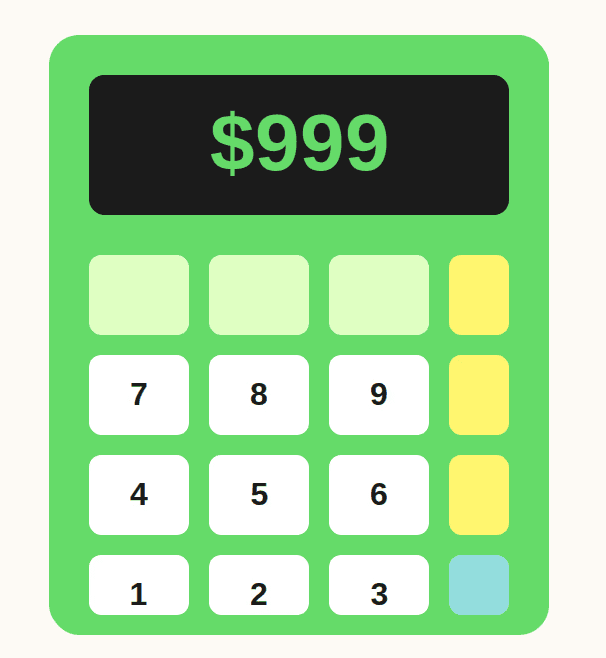
Guide to Understanding Divorce Costs in North Dakota
Divorce costs range from as little as $700 for simple uncontested cases to over $50,000 for contested litigation. Understanding every potential expense helps you budget realistically and make informed decisions about your case. This comprehensive guide breaks down court filing fees, attorney hourly rates, expert costs, and hidden expenses most people don't anticipate. Discover proven strategies to reduce your costs without compromising the outcome of your divorce.
Guide to Understanding Divorce Costs in North Dakota
Divorce costs range from as little as $700 for simple uncontested cases to over $50,000 for contested litigation. Understanding every potential expense helps you budget realistically and make informed decisions about your case. This comprehensive guide breaks down court filing fees, attorney hourly rates, expert costs, and hidden expenses most people don't anticipate. Discover proven strategies to reduce your costs without compromising the outcome of your divorce.
How Long Does Divorce Take in North Dakota
The timeline for divorce in North Dakota depends on several factors, but here's what you can typically expect:
Minimum Timeline
North Dakota has no mandatory waiting period, which means the divorce can be finalized as soon as all procedural requirements are met and the court has time to schedule your final hearing. However, even with no waiting period, the process still requires time for serving papers, allowing your spouse to respond, and scheduling court dates. The fastest uncontested divorces typically take 2-3 months from filing to final decree.
Realistic Timelines by Case Type
Divorce Type | Typical Timeline | Key Factors |
|---|---|---|
Uncontested (agreement on everything) | 2-3 months | • Waiting period |
Uncontested (requires negotiation) | 4-8 months | • Settlement negotiations |
Contested (some disputes) | 8-18 months | • Discovery process |
Contested (trial required) | 12-24+ months | • Full discovery |
High-conflict or complex | 18 months - 3+ years | • Custody evaluations |
What Affects the Timeline?
Factors that speed up divorce:
Both spouses agree on all terms from the start
No minor children involved
Simple asset division with few or no contested items
Both parties cooperate with paperwork, deadlines, and court dates
Using mediation to resolve disputes quickly
Hiring experienced attorneys who move the case efficiently
Complete and accurate financial disclosure
Factors that extend divorce:
Disputes over child custody, parenting time, or decision-making
Complex property division (businesses, multiple properties, retirement accounts)
One spouse hides assets or fails to provide complete financial disclosure
Domestic violence allegations requiring protective orders or investigations
Court scheduling backlogs (can add 3-12 months depending on jurisdiction)
Multiple motions for temporary orders (support, custody, property use)
Need for expert witnesses (appraisers, custody evaluators, vocational experts, forensic accountants)
Disagreements requiring multiple rounds of discovery
Appeals after the final decree
One party being difficult, uncooperative, or attempting to delay proceedings

Guide to Understanding Child Custody Law in North Dakota
Child custody decisions shape your relationship with your children for years to come. This guide explains custody laws in plain language, covering everything from best interests standards and parenting time schedules to modifications and enforcement. Whether you're facing a custody dispute or planning for the future, you'll find the legal information and practical guidance you need. Understand your rights, prepare your case, and advocate effectively for arrangements that serve your children's wellbeing.

Guide to Understanding Child Custody Law in North Dakota
Child custody decisions shape your relationship with your children for years to come. This guide explains custody laws in plain language, covering everything from best interests standards and parenting time schedules to modifications and enforcement. Whether you're facing a custody dispute or planning for the future, you'll find the legal information and practical guidance you need. Understand your rights, prepare your case, and advocate effectively for arrangements that serve your children's wellbeing.
Divorce with Children in North Dakota
When minor children are involved, North Dakota divorce becomes more complex because the court prioritizes the children's best interests in all decisions. Here's what you need to know:
Child Custody in North Dakota
North Dakota recognizes two types of custody:
Legal custody: The right to make major decisions about the child's upbringing (education, healthcare, religion)
Physical custody: Where the child lives and spends time
Custody can be sole (one parent) or shared/joint (both parents). North Dakota courts generally favor arrangements that allow both parents to remain meaningfully involved in the child's life when both parents are fit and willing to cooperate.
Best Interest Factors
North Dakota law requires judges to consider multiple factors when determining custody, including:
The wishes of both parents regarding custody
The wishes and concerns of the child (if the child is of sufficient age and maturity)
The child's interactions and relationships with parents, siblings, and other significant people
The child's adjustment to home, school, and community
The mental and physical health of all parties
Which parent is more likely to facilitate and encourage a close relationship between the child and the other parent
Any history of domestic violence, child abuse, or neglect
The ability of each parent to provide for the child's needs
The geographical proximity of the parents' residences
Other factors the court deems relevant to the child's best interests
Parenting Plans
All divorcing parents in North Dakota must create a parenting plan (sometimes called a custody and visitation agreement) that details:
Legal custody arrangements (who makes major decisions)
Physical custody and residential schedule
Parenting time schedule (including weekdays, weekends, holidays, birthdays, school breaks, and vacations)
Transportation arrangements for exchanges
Communication methods between child and non-residential parent
Dispute resolution procedures
Any special provisions specific to your family's circumstances
Child Support
North Dakota uses the Income Shares Model to calculate child support obligations. This calculation is based on both parents' incomes, the number of children, and parenting time arrangements. The parent with less parenting time (or the non-custodial parent) typically pays support to the other parent.
Calculate potential child support obligations using our North Dakota Child Support Calculator.
Parent Education Classes
Parent education programs are required in some counties. These classes typically:
Last 4 hours (many can be completed online)
Cost $25-$50 per person
Focus on helping children adjust to divorce and co-parenting strategies
Must be completed before the final hearing in most cases
Check with your county court for specific requirements and approved programs.
For comprehensive information about custody, parenting time, and child support in North Dakota, see our complete guide: North Dakota Child Custody Laws: What Parents Need to Know
Property Division in North Dakota
North Dakota follows the principle of equitable distribution, which means property is divided fairly but not necessarily equally (50/50). Understanding how property division works is essential to protecting your financial interests.
Marital Property vs. Separate Property
Marital property (subject to division) includes:
Assets and income acquired during the marriage
Real estate purchased during marriage (even if titled in one name)
Retirement accounts and pension benefits earned during marriage
Businesses started or grown during marriage
Debts incurred during marriage (including mortgages, credit cards, loans)
Increase in value of separate property due to marital contributions
Separate property (not divided) includes:
Assets owned before marriage
Inheritances received by one spouse (before or during marriage)
Gifts given specifically to one spouse
Personal injury settlements (except portions covering lost wages or medical expenses)
Property excluded by a valid prenuptial or postnuptial agreement
Passive appreciation of separate property (in most cases)
Commingling Alert
Separate property can become marital property (or community property in North Dakota) through "commingling" – mixing separate and marital funds or assets. For example, if you deposit an inheritance into a joint bank account, or use marital funds to pay the mortgage on property owned before marriage, the property may become marital. Keep separate property truly separate to protect it.
How Courts Divide Property
North Dakota does not presume equal division. Courts divide property equitably in a valuation as of the date of the valuation. North Dakota law governs property division in North Dakota.
Judges consider:
Duration of the marriage
Assets and liabilities of each spouse
Contributions of each spouse to the marital estate (including homemaking and childcare)
Economic circumstances of each spouse (earning capacity, employability, financial resources)
Desirability of awarding the family home to the spouse with primary custody of minor children
Liquidity of marital property
Tax consequences of property division
Costs of sale if assets must be liquidated
Age and health of both spouses
Any other factor the court finds relevant and equitable
Common Assets and How They're Divided
Family Home: Options include selling and splitting proceeds, one spouse buying out the other, or one spouse remaining in the home (common when minor children are involved).
Retirement Accounts: Often the most valuable marital asset. Division typically requires a Qualified Domestic Relations Order (QDRO) for employer-sponsored plans like 401(k)s and pensions. IRAs may be divided by transfer incident to divorce.
Vehicles: Typically awarded to the primary driver with appropriate value adjustments to balance the overall division.
Businesses: Professional valuation required, then either division of value, buyout of one spouse's interest, or continued joint ownership (rare).
Debts: Divided based on who incurred them, for whose benefit, and ability to pay. Joint debts may be allocated proportionally or based on the circumstances of the case.
Spousal Support Calculator
Estimate potential alimony payments based on income disparity, marriage length, and other key factors. Results are estimates only and vary significantly by state.
Basic Information
Higher Earner
Lower Earner
Type of Support
Additional Factors
Estimated Spousal Support
Income Analysis
Post-Support Monthly Income
Higher Earner
Lower Earner
Applied Adjustments
- Increased for career sacrifice during marriage
Critical Disclaimer: This calculator provides rough estimates for educational purposes only using simplified formulas. Actual spousal support (alimony) varies dramatically by state (north-dakota), with some states using formulas and others using factor-based approaches. Courts consider numerous factors including earning capacity, standard of living, contributions to marriage, age, health, and more. These calculations do NOT constitute legal advice. Consult with a family law attorney in north-dakota for accurate analysis of your specific situation.
Spousal Support (Alimony) in North Dakota
Spousal Support, financial assistance paid from one spouse to another during or after divorce, is available in North Dakota under certain circumstances. Not every divorce involves spousal support – it depends on the financial circumstances and other factors of your case.
Types of Spousal Support
North Dakota recognizes several types of spousal support:
rehabilitative
permanent (rare)
How Spousal Support is Determined
Unlike child support, North Dakota doesn't use a formula for spousal support. Courts have broad discretion based on statutory factors. North Dakota law requires courts to consider:
Income and earning ability of each spouse
Ages and physical, mental, and emotional conditions of both spouses
Duration of the marriage
Standard of living established during the marriage
Financial resources and needs of each spouse
Contributions each spouse made to the marriage (including homemaking and childcare)
Time and expense necessary for the recipient to acquire education or training
Tax consequences of support payments
Any other relevant factor the court deems relevant
Amount and Duration
The amount and duration of spousal support in North Dakota is determined on a case-by-case basis. Generally:
Short marriages (under 5 years): Little to no support typically awarded
Medium marriages (5-15 years): Rehabilitative or limited-term support for a few years common
Long marriages (15+ years): Longer-term support more likely, especially if one spouse has limited earning capacity
Courts consider the recipient's ability to become self-supporting and the payor's ability to pay while maintaining a reasonable standard of living.
Modification and Termination
Spousal Support in North Dakota is modifiable upon material change in circumstances. Support typically terminates when:
death
remarriage
or cohabitation
Check your divorce decree or settlement agreement for specific termination provisions, as parties can agree to terms that differ from statutory defaults.
Required Forms and Documents
Filing for divorce in North Dakota requires numerous forms. While specific requirements vary by county, here are the standard forms you'll need:
Forms to Start Your Divorce
Complaint for Divorce: The initial petition stating grounds and what you're requesting
Summons: Official notice to your spouse
Confidential Personal Information Form: Names, addresses, Social Security numbers (may be called Civil Cover Sheet or similar)
Financial Affidavit or Statement of Income and Expenses: Detailed financial disclosure
Case Filing Information Statement: Basic case information (required in many counties)
If You Have Children
Affidavit Regarding Minor Children: Information about all minor children
Child Support Worksheet or Guidelines Calculation: Income and support calculation
Parenting Plan or Custody Agreement: Proposed custody and visitation schedule
Health Insurance Affidavit: Information about available coverage for children
Certificate of Completion of Parent Education Program: Required in most counties (completed during the divorce process)
Additional Forms You May Need
Motion for Temporary Orders: Request for support, custody, or property use during divorce
Financial Disclosure Statements: Detailed listing of all assets and debts
Waiver of Service or Acceptance of Service: If your spouse agrees to waive formal service
Answer or Response: Your spouse's response to your petition (if they contest)
Counter-Petition or Cross-Complaint: Your spouse's requests (if different from yours)
Settlement Agreement or Marital Dissolution Agreement: If you reach a settlement
Final Decree or Judgment of Divorce: The final order dissolving the marriage
Qualified Domestic Relations Order (QDRO): If dividing retirement accounts
Where to Get Forms
North Dakota Court System: Provides standardized forms at ndcourts.gov
County District Court Website: Many counties have downloadable local forms
Clerk of Courts Office: Paper forms available at the courthouse
Court Self-Help Center: Many courts have centers with staff to help with forms (check your county)
Online Form Services: Various websites offer form preparation services (fees apply)
Legal Aid Organizations: Free assistance for qualifying low-income individuals
Important Notes
Always verify current requirements with your county clerk, as local rules may require additional forms
Some forms must be filed at the start; others are filed during the process or at the final hearing
Court staff can tell you which forms to use but cannot provide legal advice on how to fill them out
Consider consulting with an attorney if your case involves complex assets, custody disputes, or other contested issues

Find Your County Guide
Divorce procedures, filing fees, and court information vary by county. Get accurate details for your local court system.

Find Your County Guide
Divorce procedures, filing fees, and court information vary by county. Get accurate details for your local court system.
What Happens After You File
Once you file for divorce in North Dakota, several things happen depending on whether your case is contested or uncontested:
Immediate Steps
Service of Process: Within a few days of filing, you must serve your spouse with the divorce papers. They have 20 days to file an Answer or Response.
Temporary Orders: If you need immediate court orders for support, custody, or exclusive use of property, you can file motions for temporary relief. The District Court will schedule a hearing typically within 2-4 weeks.
Automatic Restraining Orders: Many North Dakota counties issue automatic restraining orders (also called automatic temporary injunctions or standing orders) when you file, prohibiting both spouses from:
Removing children from North Dakota without court permission or written agreement
Canceling or changing beneficiaries on insurance policies
Hiding, selling, transferring, or destroying marital assets
Incurring unusual or unnecessary debts
Harassing or threatening the other spouse
Check with your county clerk to determine whether automatic orders apply in your jurisdiction.
Discovery Phase
Both parties must exchange financial information and documents. This "discovery" process may include:
Mandatory Disclosures: Financial affidavits, tax returns (typically 3 years), pay stubs, bank statements, retirement account statements, credit card statements, and documentation of all assets and debts
Interrogatories: Written questions that must be answered under oath within a specified time period
Requests for Production: Formal requests for documents and records
Depositions: In-person questioning under oath (typically used in complex or contested cases)
Subpoenas: Court orders requiring third parties (banks, employers, etc.) to provide documents or testimony
The scope and intensity of discovery depends on the complexity of your case and the level of cooperation between spouses. Uncontested cases typically require only basic mandatory disclosures.
Settlement Negotiations
Most North Dakota divorces settle without going to trial. Your case may involve:
Informal Negotiations: Direct discussions between spouses or through their attorneys
Mediation: A neutral third party helps you reach agreements on contested issues (may be court-ordered or voluntary)
Settlement Conferences: Court-ordered or voluntary meetings, sometimes with a judge or magistrate, to encourage settlement
Collaborative Divorce: Team approach with specially trained attorneys committed to settlement (available in some areas)
Four-Way Meetings: Both spouses and both attorneys meet together to negotiate (if both parties have counsel)
Settlement can occur at any point during the divorce process — even on the day of trial.
Court Proceedings
Status Conferences or Pre-Trial Conferences: The District Court may schedule these to discuss case status, set deadlines, and encourage settlement. Attendance is typically mandatory.
Final Hearing (Uncontested): If you've reached full agreement on all issues, you'll attend a brief hearing (typically 15-45 minutes) where the judge reviews your settlement agreement, asks questions to ensure it's fair and voluntary, and signs the final decree.
Trial (Contested): If you can't settle all issues, your case proceeds to trial where a judge (not a jury) hears evidence and testimony, and makes binding decisions on all disputed matters including property division, support, and custody. Trials can last from a few hours to several days depending on complexity.
Post-Trial Motions: After trial, either party may file motions to reconsider the judge's decision or appeal to a higher court if there are legal errors.
Typical Timeline After Filing
The timeline for your North Dakota divorce depends entirely on whether it's contested:
Uncontested with agreement at filing: 2-6 months from filing to final decree (including mandatory waiting period)
Uncontested but requires negotiation: 4-8 months from filing to final decree
Contested but settles before trial: 8-18 months from filing to final decree
Contested with trial: 12-36+ months from filing to final decree
Court scheduling, case complexity, and attorney availability all affect the timeline. Stay in regular communication with your attorney (if you have one) or monitor court deadlines carefully if representing yourself.
Contested vs. Uncontested Divorce
Understanding the difference between contested and uncontested divorce is crucial because it dramatically affects your timeline, costs, and stress level in North Dakota.
Uncontested Divorce
An uncontested divorce means you and your spouse agree on all major issues:
Grounds for divorce
Property division and debt allocation
Spousal support (if any)
Child custody and parenting time (if applicable)
Child support (if applicable)
Advantages:
Faster resolution (2-4 months typically in North Dakota)
Much lower cost ($1,400-$3,300 vs. $11,000-$22,000+ for contested)
Less stressful and adversarial
More control over outcome (you decide terms, not a judge)
Better for co-parenting relationships if you have children
Privacy (settlement terms are not litigated in open court)
Process: File petition → Serve spouse → Spouse files waiver or agreed response → Submit settlement agreement → Attend brief final hearing → Receive decree
Contested Divorce
A contested divorce means you disagree on one or more significant issues. Even one area of dispute makes your divorce contested.
Common areas of dispute:
Child custody arrangements and parenting schedules
Amount or duration of child support
Division of retirement accounts or pensions
Value or disposition of the family home
Business ownership and valuations
Spousal support amount and duration
Debt allocation and responsibility
Division of personal property and assets
Process: File petition → Serve spouse → Spouse files answer/counter-petition → Discovery → Temporary orders hearings → Mediation/settlement conferences → Trial (if no settlement) → Final decree
Costs more due to:
Extended attorney time for litigation
Discovery process (interrogatories, depositions, document production)
Expert witnesses (appraisers, custody evaluators, forensic accountants, vocational experts)
Multiple court hearings (temporary orders, status conferences, pre-trial)
Trial preparation and trial time (can span multiple days)
Can You Avoid a Contested Divorce?
Even if you start with disagreements, most North Dakota cases settle before trial. Some counties require mediation before trial Consider mediation early in the process – it's much less expensive than litigation and allows you to maintain control over the outcome.
Alternative dispute resolution options:
Mediation: Neutral third party helps you negotiate settlements
Collaborative divorce: Team approach with specially trained attorneys committed to settlement
Arbitration: Private decision-maker issues binding ruling (faster than court)
Settlement conferences: Meetings with attorneys and sometimes a judge to resolve disputes
The key is to approach negotiations with realistic expectations and a willingness to compromise. Remember: What you save in attorney fees can be used for your fresh start after divorce.
When Is a Contested Divorce Necessary?
Sometimes litigation cannot be avoided:
Your spouse refuses to negotiate in good faith
Serious safety concerns exist (domestic violence, child abuse)
One spouse is hiding assets or income
Complex business or property valuations are disputed
Disagreement about what's in the children's best interests
In these situations, having the District Court make decisions may be the only option. A contested divorce, while more expensive and time-consuming, ensures your rights are protected and a judge makes legally binding decisions on all unresolved issues.
Common Mistakes to Avoid
These mistakes can cost you money, extend your timeline, or damage your case in North Dakota. Avoid them:
Hiding Assets or Lying About Finances
North Dakota law requires full financial disclosure in divorce proceedings. Hiding assets, underreporting income, or providing false information on financial affidavits is perjury and can result in severe consequences including sanctions, criminal charges, and an unfavorable property division. Courts take financial dishonesty very seriously and may award a disproportionate share of assets to the honest spouse when fraud is discovered.Using Children as Weapons
Badmouthing your spouse to your children, interfering with parenting time, coaching children about what to say to evaluators or judges, or asking children to choose sides damages your case and harms your children emotionally. North Dakota courts strongly favor parents who encourage positive relationships with the other parent and facilitate meaningful contact. Parental alienation can result in loss of custody or reduced parenting time.Violating Court Orders
Once the court issues temporary orders (for support, custody, property use, or any other matter), you must follow them exactly as written. Violations can result in contempt of court charges, fines, attorney fee awards to the other party, jail time, and severe damage to your credibility. If circumstances change and an order becomes unreasonable, file a motion to modify rather than simply ignoring the order.Social Media Mistakes
Everything you post online can be used as evidence in your North Dakota divorce. Don't post about new romantic relationships, expensive purchases, parties, vacations, or anything that could undermine your claims (like posting vacation photos while claiming financial hardship). Assume your spouse and their attorney are monitoring your social media. Better yet, deactivate or significantly limit your social media presence during divorce proceedings. Never post negative comments about your spouse, the court, or the divorce process.Making Major Financial Decisions Without Authorization
Don't make large purchases, take out new loans, sell or transfer property, change insurance beneficiaries, cash out retirement accounts, or make other significant financial moves without court approval or written agreement from your spouse. Most North Dakota divorces trigger automatic restraining orders prohibiting these actions. Even if your county doesn't have automatic orders, making unilateral financial decisions can be seen as dissipation of marital assets and result in you being charged for these amounts in the final property division.Ignoring Tax Implications
Different property division methods have dramatically different tax consequences. Understand the tax impacts before agreeing to settlement terms. For instance, keeping a $100,000 pre-tax 401(k) is not equivalent to keeping $100,000 in after-tax savings – you'll owe income tax when you withdraw from the 401(k). Similarly, keeping the family home comes with property taxes, maintenance costs, and potential capital gains taxes upon sale. Transferring property incident to divorce is usually tax-free, but the timing and method matter. Consult a CPA or tax professional before finalizing your settlement if significant assets are involved.Failing to Update Estate Documents
After your divorce is final, immediately update your will, beneficiary designations on retirement accounts and life insurance policies, power of attorney documents, and healthcare directives. In North Dakota, divorce automatically revokes provisions in your will and beneficiary designations for your ex-spouse. However, this does NOT automatically change beneficiary designations on retirement accounts, life insurance policies, payable-on-death accounts, or transfer-on-death deeds. You must update each of these individually with the financial institution or insurance company. Failure to update these documents can result in your ex-spouse inheriting assets you intended for others.Moving Out of the Family Home Without Legal Advice
Moving out of the family home before consulting an attorney can affect property division, custody decisions, and your financial obligations in North Dakota. Courts may view moving out as abandonment or as reducing your need for the home. If you're the parent seeking primary custody, moving out can signal to the court that you're not the primary caregiver. You may also end up paying the mortgage, utilities, and maintenance on a home you're not living in while also paying rent elsewhere. If you feel unsafe, moving out may be necessary – but consult an attorney first about protective orders and how to protect your legal rights.Signing Documents You Don't Understand
Never sign settlement agreements, financial affidavits, stipulations, or other legal documents without fully understanding their contents and implications. Once you sign a settlement agreement and the court approves it, the terms are extremely difficult and expensive to change – even if you later realize the agreement was unfair or you misunderstood key provisions. If you can't afford an attorney for the entire case, at least have one review any settlement agreement before you sign. Many attorneys offer limited-scope representation specifically for document review. This small investment can save you from costly mistakes that affect you for years or decades.Letting Emotions Drive Decisions
Divorce is inherently emotional, but making decisions based on anger, hurt, or the desire for revenge usually backfires and costs you money. Focus on your long-term financial interests and your children's wellbeing, not on "winning" or punishing your spouse. Fighting over assets with minimal monetary value, refusing reasonable settlement offers out of spite, or dragging out litigation to hurt your ex will drain your finances and emotional energy. The goal is to reach a fair resolution and move forward with your life – not to maximize the other party's suffering. Consider working with a therapist to process your emotions separately from your legal strategy.
Alternatives to Traditional Divorce
Traditional litigation isn't your only option. North Dakota offers several alternatives that may be faster, cheaper, and less adversarial:
Uncontested Divorce with Settlement Agreement
If you and your spouse can agree on all major issues before or during the divorce process, an uncontested divorce with a complete settlement agreement is the fastest and least expensive option in North Dakota. You file your petition, your spouse agrees to the terms, and you submit your settlement agreement to the District Court for approval. This typically takes 2-6 months and costs $1,500-$5,000 in attorney fees (or can be done pro se for just filing fees). The key is reaching full agreement on property, support, and children before going to court.Mediation
A neutral mediator helps you and your spouse reach agreements on disputed issues. Mediation in North Dakota is:
Voluntary and confidential (what's said in mediation stays in mediation)
Less expensive than trial ($100-$500 per hour, typically split between spouses)
Faster than court proceedings (can resolve issues in a few sessions)
More flexible and creative than court-ordered solutions (you control the outcome)
Better for maintaining co-parenting relationships and future communication
Non-binding until you sign an agreement
Many North Dakota courts require mediation for contested custody and parenting disputes before allowing cases to proceed to trial. Even if not required, mediation is often the most cost-effective path to resolution. Successful mediation typically costs $2,000-$6,000 total compared to $15,000-$50,000+ for contested litigation.
Collaborative Divorce
In collaborative divorce, both spouses hire specially trained collaborative attorneys and commit to reaching settlement without going to court. If available in your area of North Dakota, the collaborative process involves:
Team approach with professionals (collaborative attorneys, financial experts, mental health professionals, child specialists)
Four-way meetings where both spouses and both attorneys negotiate face-to-face
Commitment to transparency, honesty, and problem-solving rather than positional bargaining
Agreement that if collaboration fails and litigation becomes necessary, both attorneys must withdraw (creating strong incentive to settle)
Interest-based negotiation focusing on needs rather than positions
Collaborative divorce typically costs $5,000-$15,000 – more expensive than mediation but significantly less than contested litigation. It's particularly effective for complex financial situations, high-conflict couples who want to avoid court, or cases where privacy is important. Not all areas of North Dakota have trained collaborative professionals; check with your local bar association for availability.
Arbitration
In arbitration, you and your spouse agree to have a neutral arbitrator (often a retired judge or experienced family law attorney) make binding decisions on disputed issues. Arbitration in North Dakota:
Is faster than waiting for a court trial date (you schedule at mutual convenience)
Provides more privacy than public court proceedings
Allows you to choose an arbitrator with specific expertise
Results in binding decisions (very limited right to appeal)
Costs less than litigation but more than mediation (arbitrator fees plus attorney fees)
Arbitration works best when you want a third party to decide specific disputes but want more control over the process and timeline than traditional litigation provides. You give up your right to a judge and jury (not that family law cases have juries), and appeals are very limited. Both spouses must agree to arbitration – it cannot be imposed on an unwilling party.
Which Alternative is Right for You?
Choose uncontested divorce if: You and your spouse agree on everything and can work together to complete paperwork
Choose mediation if: You have some disagreements but are both willing to compromise and negotiate in good faith
Choose collaborative divorce if: Issues are complex but you both want to avoid court, maintain privacy, and can commit to the process
Choose arbitration if: You want a binding third-party decision but want more control over process and timeline than court provides
Choose traditional litigation if: Your spouse is uncooperative, hiding assets, there's domestic violence, or alternative processes have failed
Many couples use a combination of these approaches – for example, reaching agreements on some issues through negotiation, mediating custody disputes, and litigating only financial disagreements that couldn't be resolved. Your attorney can help you determine the most appropriate strategy for your specific circumstances.
Frequently Asked Questions
Can I get a divorce while pregnant in North Dakota?
Yes, you can file for divorce while pregnant in North Dakota, but the judge will not finalize the divorce until after the baby is born. This allows paternity to be established and custody/support orders to be included in the final decree. The court needs to address the child's legal parentage and ensure appropriate support arrangements are in place before finalizing the divorce.
Do I have to go to court for divorce?
Almost always, yes. Even in uncontested divorces, North Dakota courts typically require at least one brief hearing where the judge reviews your settlement agreement, asks questions to ensure you understand the terms and they are fair, and signs the final decree. This hearing usually lasts 15-45 minutes. In very limited circumstances, some courts may allow waivers of appearance, but this is rare and requires specific circumstances.
Can I date during my divorce?
Legally, yes – you're still married but not prohibited from dating in North Dakota. However, dating during divorce can negatively affect spousal support decisions (especially if living with someone), complicate child custody if introducing children to new partners, extend the timeline if your spouse becomes more contentious, and potentially be used as evidence in fault-based divorces. Most divorce attorneys strongly recommend waiting until after the divorce is final before beginning new romantic relationships.
What if my spouse refuses to sign divorce papers?
Your spouse cannot prevent you from getting divorced in North Dakota. They don't need to sign or agree to anything. After proper service, if they don't respond within 20 days, you can request a default judgment. If they respond but refuse to cooperate with settlement negotiations, you proceed with a contested divorce where the court makes decisions on disputed issues. One spouse's unwillingness cannot stop the divorce from proceeding.
Can I get an annulment instead of divorce?
Annulments are very rare in North Dakota and only available in specific, limited circumstances such as fraud (one party deceived the other about something fundamental to the marriage), bigamy (one party was already married), lack of consummation, mental incapacity, duress or force, or if one party was underage and lacked parental consent. The vast majority of marriages don't qualify for annulment and must be ended through divorce. Annulment treats the marriage as if it never existed, which is why the requirements are so strict.
How is adultery handled in North Dakota divorce?
Adultery may be considered in North Dakota divorce proceedings. In states that recognize fault-based divorce, adultery can be a ground for divorce. Proving adultery requires evidence and can extend the timeline. While it may affect property division or spousal support in some cases, judges often focus more on financial factors and the best interests of children. Many divorces are filed on no-fault grounds even when adultery occurred because it's faster and less expensive than proving fault. The impact of adultery varies significantly based on state law and individual circumstances.
Do grandparents have rights in North Dakota divorce?
Grandparents may seek visitation (but typically not custody) in North Dakota under specific circumstances. This usually requires showing that the parents' marriage has ended, one parent is deceased, or other circumstances that would make grandparent visitation in the child's best interest. Grandparents must file a separate motion and demonstrate that visitation serves the child's best interests. States generally give deference to fit parents' decisions about grandparent contact, so grandparents face a higher burden of proof. Consult a family law attorney for specific guidance on grandparent rights in your situation.
Can I change my name during divorce?
Yes, you can request to restore your maiden name or previous name as part of your divorce decree in North Dakota. This is typically a simple checkbox on the divorce petition or decree. If you don't request name restoration during the divorce proceedings, you can change your name later, but you'll need to go through a separate legal name change process which involves additional paperwork, fees, and court appearances. It's much easier to request the name change as part of the divorce itself.
What if I can't afford the filing fee?
North Dakota courts allow fee waivers for those who cannot afford filing fees. You must complete an application for waiver of court fees (sometimes called an Affidavit of Indigency or In Forma Pauperis petition), which requires detailed information about your income, expenses, assets, and debts. The court will review your financial situation and decide whether to waive or defer fees. Approval is not guaranteed – courts evaluate your ability to pay based on income, necessary expenses, and assets. Some courts waive all fees; others defer fees until the case concludes.
Can we use the same attorney?
No. One attorney cannot ethically represent both spouses in a divorce due to conflicts of interest, even in uncontested cases where you agree on everything. Legal ethics rules prohibit attorneys from representing clients with conflicting interests. However, you have several options: one spouse can hire an attorney while the other represents themselves pro se (self-represented), you can both hire separate attorneys, or you can use mediation where a neutral mediator (who doesn't represent either party) helps you both reach agreements.
Our Services
Paperwork Only
Basic access to divorce paperwork where you handle the rigorous filing process with the court.

POPULAR
We File For You
Our most popular package includes a dedicated case manager, automated court filing, spouse signature collection, and personalized documentation.

Fully Guided
Complete divorce support including mediation sessions, dedicated case management, court filing, and personalized documentation.
Other Articles:
State Divorce Guides
City Divorce Guides
County Divorce Guides
Real Answers. Real Support.
We're here to guide you through every step of divorce — whether you're just starting to explore your options or ready to take the next step. Our blog offers expert insights, practical tips, and real-life stories to help you move forward with clarity and confidence.



The better way to get divorced.
Answer a few questions to see your personalized divorce options in under 3 minutes.
Complete Guide to Divorce in North Dakota
North Dakota Divorce Overview
Filing for divorce in North Dakota is a legal process that dissolves your marriage and addresses issues like property division, child custody, and support obligations. North Dakota law provides two main paths to end a marriage: divorce and legal separation.
Understanding the divorce process before you begin can help you make informed decisions, avoid costly mistakes, and navigate this challenging time with greater confidence. This comprehensive guide covers everything you need to know about filing for divorce in North Dakota, based on current North Dakota Century Code Title 14 as of 2026.
Quick Facts About North Dakota Divorce
Minimum Residency: 6 months in North Dakota before filing
Waiting Period: None mandatory after filing
No-Fault Option: Yes - irreconcilable differences
Fault Grounds: 6 additional fault-based grounds available
Property Division: Equitable distribution (fair, not necessarily equal)
Average Timeline: 2 months to 2+ years depending on complexity
RETAINER FEE
PETITION
COURT FILING FEE
SUMMONS
AFFIDAVIT
MOTIONS
ARGUMENTS
TEMPORARY ORDERS
HEARINGS
SUBPOENAS
DEPOSITIONS
SETTLEMENT
CONFERENCES
JUDGEMENT
TRIAL
APPEALS

RETAINER FEE
PETITION
COURT FILING FEE
SUMMONS
AFFIDAVIT
MOTIONS
ARGUMENTS
TEMPORARY ORDERS
HEARINGS
SUBPOENAS
DEPOSITIONS
SETTLEMENT
CONFERENCES
JUDGEMENT
TRIAL
APPEALS
Requirements to File for Divorce in North Dakota
Before filing for divorce in North Dakota, you must meet the state's residency requirements and file your case in the appropriate court.
Residency Requirements
The spouse filing for divorce (plaintiff) must meet North Dakota's residency requirement. At least six months of residency is required before filing or before the divorce is finalized. The defendant's residency alone does not satisfy this requirement if the plaintiff does not qualify.
State residency: The plaintiff must establish the required six months of North Dakota residency.
County residency: The divorce petition must generally be filed in the District Court of the county where either spouse resides.
Military Exception
Active-duty military members stationed in North Dakota may qualify to file for divorce if they meet the state's residency requirements or have North Dakota as their home of record.
Where to File
Divorce cases in North Dakota are handled by the District Court in the appropriate county. North Dakota does not have a separate family court system.
You can find more information about your local court, including filing procedures and fees, in our county-by-county guide.
North Dakota has 53 counties across 7 judicial districts. Cass County (Fargo) and Burleigh County (Bismarck) handle the largest divorce caseloads. Local rules and fees vary by judicial district. You can find detailed information for your local court in our county-by-county guide.
Divorce vs. Dissolution: Choosing Your Path
North Dakota offers one legal process to end a marriage — divorce — but the path it takes depends entirely on whether you and your spouse can reach agreement. Understanding which type of divorce applies to your situation is the first step in planning your case.
Factor | Contested Divorce | Uncontested Divorce |
|---|---|---|
Agreement Required | No — one spouse can file even if the other objects | Yes — both spouses must agree on all terms before or shortly after filing |
How It Works | Court decides disputed issues after hearing evidence | Both spouses sign settlement agreement; court reviews and approves |
Common Disputes | Child custody, property division, spousal support | All issues resolved through negotiation |
Court Hearings | Multiple hearings and possibly trial | Usually one brief final hearing |
Timeline | 6 months to 3+ years | 2-6 months typically |
Cost | $8,000-$100,000+ depending on complexity | $1,500-$7,500 typically |
Attorney Needed | Strongly recommended | Optional but helpful for agreement review |
Best For | Significant disagreements; uncooperative spouse | Amicable couples who can negotiate |
Most divorces in North Dakota start as contested but settle before trial through negotiation or mediation. Even if you have initial disagreements, working toward an uncontested settlement will save you significant time and money compared to going to trial.
Grounds for Divorce in North Dakota
North Dakota law requires you to state a "ground" (legal reason) for divorce in your petition. North Dakota law recognizes 7 grounds for divorce: one no-fault ground and six fault-based grounds.
No-Fault Ground(Most Common)
Irreconcilable Differences: North Dakota's no-fault ground is irreconcilable differences — that there are irreconcilable differences that have caused the irretrievable breakdown of the marriage. This is the most commonly used ground in North Dakota.
Does not require proving fault or wrongdoing
The most frequently used ground in North Dakota divorces
Either spouse can assert it unilaterally
Less adversarial and typically faster than fault-based proceedings
Fault-Based Grounds
North Dakota also allows fault-based divorces. While these can sometimes affect property division or spousal support decisions, they require proof and can make the divorce more contentious:
Adultery: Your spouse committed adultery
Extreme Cruelty: Your spouse treated you with extreme cruelty, whether physical or mental
Willful Desertion: Your spouse willfully deserted you for one year
Willful Neglect: Your spouse willfully neglected to provide for your common necessaries of life for one year, having the ability to do so
Habitual Intemperance: Your spouse developed habitual intemperance (alcoholism or drug abuse) for one year
Conviction of a Felony: Your spouse was convicted of a felony after the marriage
Should You Use a Fault Ground?
Most North Dakota divorces use irreconcilable differences. Fault grounds require proof and add time and cost to the proceedings. North Dakota courts may consider fault in determining spousal support, making fault grounds potentially relevant in cases where financial support is contested.
Learn more in our detailed guide: Grounds for Divorce in North Dakota: All 7 Options Explained
We've helped with
over 1 million divorces
We provide everything you need to get divorced — from conflict resolution to filing support and access to divorce experts — in one comprehensive, convenient online platform.
The team at divorce.com was responsive and helpful during a difficult process. I would highly recommend the site for uncomplicated, amicable divorces!!
Jen B.
I came across this online. So I checked on it. It was easy and affordable. I wish I would have found this years ago.
Brandy D.
I was able to read it easily. Thanks God for this service. I will recommend it to anyone who asks this is a very easy step to do. I love it please try it you won't be disappointed
Dianna R.
Great customer service. Questions were easy to answer and had descriptions to understand the questions.
Andelain R.
Proudly featured in these publications
Step-by-Step Divorce Process in North Dakota
Here's what you can expect when filing for divorce in North Dakota, broken down into manageable steps:
Meet Residency Requirements: Ensure you meet North Dakota's residency requirements before filing. Check the "Requirements to File" section above for specific state and county residency periods. If you've recently moved to North Dakota, you'll need to wait until you meet these requirements.
Gather Required Information: Before filing, collect essential information and documents including full legal names, birthdates, and Social Security numbers for you, your spouse, and any children; marriage certificate and date/location of marriage; information about prior marriages (if any); current addresses and contact information; employment and income information for both spouses; list of all assets (real estate, vehicles, bank accounts, retirement accounts, etc.); list of all debts (mortgages, credit cards, loans, etc.); and information about health insurance coverage.
Complete the Required Forms: The "Complaint for Divorce" is the document that starts your case. You'll typically need to complete: Complaint for Divorce (states your grounds for divorce and what you're asking the court to do), Confidential Information Form (provides identifying information not included in public records), Financial Affidavit or Income Statement (details your financial situation), and additional forms (may include child-related forms if you have minor children). Your District Court may provide standard forms, and some counties have local forms. Check with your county clerk for specific requirements.
File with the Court: Take your completed forms to the Clerk of Courts office in your county's District Court. You'll need to submit all required forms, pay the filing fee (typically $80-$100 depending on county), and request a fee waiver if you cannot afford the filing fee. The clerk will stamp your documents with a case number and return copies to you. Keep these safe – you'll need them throughout the process.
Serve Your Spouse: Your spouse must be officially notified of the divorce. North Dakota law requires proper "service of process," which can be done several ways: certified mail with return receipt (most common and affordable), sheriff's service (county sheriff delivers papers), private process server (professional delivers papers, typically $25-$50), or acceptance of service (your spouse can sign a waiver of service form). Your spouse will have a set period (typically 20-30 days) to file a response. Service is complete when you file proof of service with the court.
Wait for the Mandatory Period: North Dakota does not have a mandatory waiting period after filing, though court scheduling typically adds several weeks or months before a final hearing. During this time, you can negotiate settlement terms with your spouse, attend mediation if ordered or agreed upon, file temporary orders for support, custody, or exclusive use of property if needed, complete parenting classes if you have children (required in many counties), and exchange financial disclosures and complete discovery.
Attend Court Hearings: Depending on whether your divorce is contested or uncontested, you may have one or several hearings: Temporary Orders Hearing (if you filed for temporary support or custody), Pre-Trial Conference (judge may schedule this to encourage settlement), Settlement Conference (formal meeting to resolve disputes), and Final Hearing/Trial (if uncontested, a brief hearing to finalize; if contested, a full trial).
Receive Your Divorce Decree: Once the judge approves your divorce, they'll sign a "Decree of Divorce" that officially dissolves your marriage, orders property division, establishes child custody and parenting time (if applicable), sets child support obligations (if applicable), and orders spousal support if appropriate. The decree is effective immediately, and you're legally divorced. The court will provide certified copies to both parties. Keep this document safe – you'll need it for name changes, property transfers, and other post-divorce matters.
Upfront pricing at a fraction of the cost of traditional divorce
Divorce doesn’t have to cost as much as a car.
Costs and Filing Fees
The cost of divorce in North Dakota varies significantly based on complexity, whether it's contested, and whether you hire an attorney. Here's a breakdown of typical expenses:
Filing Fees (Required)
Initial filing fee: $75–$289 (varies by county)
Service of process: $25-$50 depending on method
Certified copies: $2-$5 per copy
Additional motions: $20-$40 per filing if you need temporary orders
Fee Waivers: If you cannot afford filing fees, you can request a fee waiver by filing an Affidavit of Indigency (or similar form). The court will review your income and expenses to determine eligibility.
Attorney Fees (Optional but Recommended)
Uncontested divorce: $1,200-$2,500 flat fee
Contested divorce: $4,000-$18,000+ depending on complexity
Hourly rates: $150-$325 per hour in North Dakota (varies by location and experience)
Retainer: $1,500-$5,000 upfront deposit
Additional Potential Costs
Mediation: $100-$250 per hour (often split between spouses)
Parent education classes: $25-$50 per person (required in many counties with children)
Court reporter: $200-$500 for trial transcripts if needed
Expert witnesses: $800-$7,000+ (appraisers, custody evaluators, forensic accountants)
Guardian ad Litem: $1,200-$4,000+ if appointed for children
Total Cost Ranges
DIY uncontested divorce: $150-$800 (filing fees and forms only)
Uncontested with attorney: $1,400-$3,300
Mediated divorce: $2,500-$6,000
Contested divorce (settled before trial): $5,000-$11,000
Contested divorce with trial: $11,000-$22,000+
High-conflict or complex divorce: $22,000-$55,000+
For a detailed county-by-county breakdown of filing fees and average attorney costs in your area, see our comprehensive guide.
Guide to Understanding Divorce Costs in North Dakota
Divorce costs range from as little as $700 for simple uncontested cases to over $50,000 for contested litigation. Understanding every potential expense helps you budget realistically and make informed decisions about your case. This comprehensive guide breaks down court filing fees, attorney hourly rates, expert costs, and hidden expenses most people don't anticipate. Discover proven strategies to reduce your costs without compromising the outcome of your divorce.
Guide to Understanding Divorce Costs in North Dakota
Divorce costs range from as little as $700 for simple uncontested cases to over $50,000 for contested litigation. Understanding every potential expense helps you budget realistically and make informed decisions about your case. This comprehensive guide breaks down court filing fees, attorney hourly rates, expert costs, and hidden expenses most people don't anticipate. Discover proven strategies to reduce your costs without compromising the outcome of your divorce.
How Long Does Divorce Take in North Dakota
The timeline for divorce in North Dakota depends on several factors, but here's what you can typically expect:
Minimum Timeline
North Dakota has no mandatory waiting period, which means the divorce can be finalized as soon as all procedural requirements are met and the court has time to schedule your final hearing. However, even with no waiting period, the process still requires time for serving papers, allowing your spouse to respond, and scheduling court dates. The fastest uncontested divorces typically take 2-3 months from filing to final decree.
Realistic Timelines by Case Type
Divorce Type | Typical Timeline | Key Factors |
|---|---|---|
Uncontested (agreement on everything) | 2-3 months | • Waiting period |
Uncontested (requires negotiation) | 4-8 months | • Settlement negotiations |
Contested (some disputes) | 8-18 months | • Discovery process |
Contested (trial required) | 12-24+ months | • Full discovery |
High-conflict or complex | 18 months - 3+ years | • Custody evaluations |
What Affects the Timeline?
Factors that speed up divorce:
Both spouses agree on all terms from the start
No minor children involved
Simple asset division with few or no contested items
Both parties cooperate with paperwork, deadlines, and court dates
Using mediation to resolve disputes quickly
Hiring experienced attorneys who move the case efficiently
Complete and accurate financial disclosure
Factors that extend divorce:
Disputes over child custody, parenting time, or decision-making
Complex property division (businesses, multiple properties, retirement accounts)
One spouse hides assets or fails to provide complete financial disclosure
Domestic violence allegations requiring protective orders or investigations
Court scheduling backlogs (can add 3-12 months depending on jurisdiction)
Multiple motions for temporary orders (support, custody, property use)
Need for expert witnesses (appraisers, custody evaluators, vocational experts, forensic accountants)
Disagreements requiring multiple rounds of discovery
Appeals after the final decree
One party being difficult, uncooperative, or attempting to delay proceedings
Divorce with Children in North Dakota
When minor children are involved, North Dakota divorce becomes more complex because the court prioritizes the children's best interests in all decisions. Here's what you need to know:
Child Custody in North Dakota
North Dakota recognizes two types of custody:
Legal custody: The right to make major decisions about the child's upbringing (education, healthcare, religion)
Physical custody: Where the child lives and spends time
Custody can be sole (one parent) or shared/joint (both parents). North Dakota courts generally favor arrangements that allow both parents to remain meaningfully involved in the child's life when both parents are fit and willing to cooperate.
Best Interest Factors
North Dakota law requires judges to consider multiple factors when determining custody, including:
The wishes of both parents regarding custody
The wishes and concerns of the child (if the child is of sufficient age and maturity)
The child's interactions and relationships with parents, siblings, and other significant people
The child's adjustment to home, school, and community
The mental and physical health of all parties
Which parent is more likely to facilitate and encourage a close relationship between the child and the other parent
Any history of domestic violence, child abuse, or neglect
The ability of each parent to provide for the child's needs
The geographical proximity of the parents' residences
Other factors the court deems relevant to the child's best interests
Parenting Plans
All divorcing parents in North Dakota must create a parenting plan (sometimes called a custody and visitation agreement) that details:
Legal custody arrangements (who makes major decisions)
Physical custody and residential schedule
Parenting time schedule (including weekdays, weekends, holidays, birthdays, school breaks, and vacations)
Transportation arrangements for exchanges
Communication methods between child and non-residential parent
Dispute resolution procedures
Any special provisions specific to your family's circumstances
Child Support
North Dakota uses the Income Shares Model to calculate child support obligations. This calculation is based on both parents' incomes, the number of children, and parenting time arrangements. The parent with less parenting time (or the non-custodial parent) typically pays support to the other parent.
Calculate potential child support obligations using our North Dakota Child Support Calculator.
Parent Education Classes
Parent education programs are required in some counties. These classes typically:
Last 4 hours (many can be completed online)
Cost $25-$50 per person
Focus on helping children adjust to divorce and co-parenting strategies
Must be completed before the final hearing in most cases
Check with your county court for specific requirements and approved programs.
For comprehensive information about custody, parenting time, and child support in North Dakota, see our complete guide: North Dakota Child Custody Laws: What Parents Need to Know
Guide to Understanding Child Custody Law in North Dakota
Child custody decisions shape your relationship with your children for years to come. This guide explains custody laws in plain language, covering everything from best interests standards and parenting time schedules to modifications and enforcement. Whether you're facing a custody dispute or planning for the future, you'll find the legal information and practical guidance you need. Understand your rights, prepare your case, and advocate effectively for arrangements that serve your children's wellbeing.
Guide to Understanding Child Custody Law in North Dakota
Child custody decisions shape your relationship with your children for years to come. This guide explains custody laws in plain language, covering everything from best interests standards and parenting time schedules to modifications and enforcement. Whether you're facing a custody dispute or planning for the future, you'll find the legal information and practical guidance you need. Understand your rights, prepare your case, and advocate effectively for arrangements that serve your children's wellbeing.
Property Division in North Dakota
North Dakota follows the principle of equitable distribution, which means property is divided fairly but not necessarily equally (50/50). Understanding how property division works is essential to protecting your financial interests.
Marital Property vs. Separate Property
Marital property (subject to division) includes:
Assets and income acquired during the marriage
Real estate purchased during marriage (even if titled in one name)
Retirement accounts and pension benefits earned during marriage
Businesses started or grown during marriage
Debts incurred during marriage (including mortgages, credit cards, loans)
Increase in value of separate property due to marital contributions
Separate property (not divided) includes:
Assets owned before marriage
Inheritances received by one spouse (before or during marriage)
Gifts given specifically to one spouse
Personal injury settlements (except portions covering lost wages or medical expenses)
Property excluded by a valid prenuptial or postnuptial agreement
Passive appreciation of separate property (in most cases)
Commingling Alert
Separate property can become marital property (or community property in North Dakota) through "commingling" – mixing separate and marital funds or assets. For example, if you deposit an inheritance into a joint bank account, or use marital funds to pay the mortgage on property owned before marriage, the property may become marital. Keep separate property truly separate to protect it.
How Courts Divide Property
North Dakota does not presume equal division. Courts divide property equitably in a valuation as of the date of the valuation. North Dakota law governs property division in North Dakota.
Judges consider:
Duration of the marriage
Assets and liabilities of each spouse
Contributions of each spouse to the marital estate (including homemaking and childcare)
Economic circumstances of each spouse (earning capacity, employability, financial resources)
Desirability of awarding the family home to the spouse with primary custody of minor children
Liquidity of marital property
Tax consequences of property division
Costs of sale if assets must be liquidated
Age and health of both spouses
Any other factor the court finds relevant and equitable
Common Assets and How They're Divided
Family Home: Options include selling and splitting proceeds, one spouse buying out the other, or one spouse remaining in the home (common when minor children are involved).
Retirement Accounts: Often the most valuable marital asset. Division typically requires a Qualified Domestic Relations Order (QDRO) for employer-sponsored plans like 401(k)s and pensions. IRAs may be divided by transfer incident to divorce.
Vehicles: Typically awarded to the primary driver with appropriate value adjustments to balance the overall division.
Businesses: Professional valuation required, then either division of value, buyout of one spouse's interest, or continued joint ownership (rare).
Debts: Divided based on who incurred them, for whose benefit, and ability to pay. Joint debts may be allocated proportionally or based on the circumstances of the case.
Spousal Support Calculator
Estimate potential alimony payments based on income disparity, marriage length, and other key factors. Results are estimates only and vary significantly by state.
Basic Information
Higher Earner
Lower Earner
Type of Support
Additional Factors
Estimated Spousal Support
Income Analysis
Post-Support Monthly Income
Higher Earner
Lower Earner
Applied Adjustments
- Increased for career sacrifice during marriage
Critical Disclaimer: This calculator provides rough estimates for educational purposes only using simplified formulas. Actual spousal support (alimony) varies dramatically by state (North Dakota), with some states using formulas and others using factor-based approaches. Courts consider numerous factors including earning capacity, standard of living, contributions to marriage, age, health, and more. These calculations do NOT constitute legal advice. Consult with a family law attorney in North Dakota for accurate analysis of your specific situation.
Spousal Support (Alimony) in North Dakota
Spousal Support, financial assistance paid from one spouse to another during or after divorce, is available in North Dakota under certain circumstances. Not every divorce involves spousal support – it depends on the financial circumstances and other factors of your case.
Types of Spousal Support
North Dakota recognizes several types of spousal support:
rehabilitative
permanent (rare)
How Spousal Support is Determined
Unlike child support, North Dakota doesn't use a formula for spousal support. Courts have broad discretion based on statutory factors. North Dakota law requires courts to consider:
Income and earning ability of each spouse
Ages and physical, mental, and emotional conditions of both spouses
Duration of the marriage
Standard of living established during the marriage
Financial resources and needs of each spouse
Contributions each spouse made to the marriage (including homemaking and childcare)
Time and expense necessary for the recipient to acquire education or training
Tax consequences of support payments
Any other relevant factor the court deems relevant
Amount and Duration
The amount and duration of spousal support in North Dakota is determined on a case-by-case basis. Generally:
Short marriages (under 5 years): Little to no support typically awarded
Medium marriages (5-15 years): Rehabilitative or limited-term support for a few years common
Long marriages (15+ years): Longer-term support more likely, especially if one spouse has limited earning capacity
Courts consider the recipient's ability to become self-supporting and the payor's ability to pay while maintaining a reasonable standard of living.
Modification and Termination
Spousal Support in North Dakota is modifiable upon material change in circumstances. Support typically terminates when:
death
remarriage
or cohabitation
Check your divorce decree or settlement agreement for specific termination provisions, as parties can agree to terms that differ from statutory defaults.
Required Forms and Documents
Filing for divorce in North Dakota requires numerous forms. While specific requirements vary by county, here are the standard forms you'll need:
Forms to Start Your Divorce
Complaint for Divorce: The initial petition stating grounds and what you're requesting
Summons: Official notice to your spouse
Confidential Personal Information Form: Names, addresses, Social Security numbers (may be called Civil Cover Sheet or similar)
Financial Affidavit or Statement of Income and Expenses: Detailed financial disclosure
Case Filing Information Statement: Basic case information (required in many counties)
If You Have Children
Affidavit Regarding Minor Children: Information about all minor children
Child Support Worksheet or Guidelines Calculation: Income and support calculation
Parenting Plan or Custody Agreement: Proposed custody and visitation schedule
Health Insurance Affidavit: Information about available coverage for children
Certificate of Completion of Parent Education Program: Required in most counties (completed during the divorce process)
Additional Forms You May Need
Motion for Temporary Orders: Request for support, custody, or property use during divorce
Financial Disclosure Statements: Detailed listing of all assets and debts
Waiver of Service or Acceptance of Service: If your spouse agrees to waive formal service
Answer or Response: Your spouse's response to your petition (if they contest)
Counter-Petition or Cross-Complaint: Your spouse's requests (if different from yours)
Settlement Agreement or Marital Dissolution Agreement: If you reach a settlement
Final Decree or Judgment of Divorce: The final order dissolving the marriage
Qualified Domestic Relations Order (QDRO): If dividing retirement accounts
Where to Get Forms
North Dakota Court System: Provides standardized forms at ndcourts.gov
County District Court Website: Many counties have downloadable local forms
Clerk of Courts Office: Paper forms available at the courthouse
Court Self-Help Center: Many courts have centers with staff to help with forms (check your county)
Online Form Services: Various websites offer form preparation services (fees apply)
Legal Aid Organizations: Free assistance for qualifying low-income individuals
Important Notes
Always verify current requirements with your county clerk, as local rules may require additional forms
Some forms must be filed at the start; others are filed during the process or at the final hearing
Court staff can tell you which forms to use but cannot provide legal advice on how to fill them out
Consider consulting with an attorney if your case involves complex assets, custody disputes, or other contested issues
Find Your County Guide
Divorce procedures, filing fees, and court information vary by county. Get accurate details for your local court system.
Find Your County Guide
Divorce procedures, filing fees, and court information vary by county. Get accurate details for your local court system.
What Happens After You File
Once you file for divorce in North Dakota, several things happen depending on whether your case is contested or uncontested:
Immediate Steps
Service of Process: Within a few days of filing, you must serve your spouse with the divorce papers. They have 20 days to file an Answer or Response.
Temporary Orders: If you need immediate court orders for support, custody, or exclusive use of property, you can file motions for temporary relief. The District Court will schedule a hearing typically within 2-4 weeks.
Automatic Restraining Orders: Many North Dakota counties issue automatic restraining orders (also called automatic temporary injunctions or standing orders) when you file, prohibiting both spouses from:
Removing children from North Dakota without court permission or written agreement
Canceling or changing beneficiaries on insurance policies
Hiding, selling, transferring, or destroying marital assets
Incurring unusual or unnecessary debts
Harassing or threatening the other spouse
Check with your county clerk to determine whether automatic orders apply in your jurisdiction.
Discovery Phase
Both parties must exchange financial information and documents. This "discovery" process may include:
Mandatory Disclosures: Financial affidavits, tax returns (typically 3 years), pay stubs, bank statements, retirement account statements, credit card statements, and documentation of all assets and debts
Interrogatories: Written questions that must be answered under oath within a specified time period
Requests for Production: Formal requests for documents and records
Depositions: In-person questioning under oath (typically used in complex or contested cases)
Subpoenas: Court orders requiring third parties (banks, employers, etc.) to provide documents or testimony
The scope and intensity of discovery depends on the complexity of your case and the level of cooperation between spouses. Uncontested cases typically require only basic mandatory disclosures.
Settlement Negotiations
Most North Dakota divorces settle without going to trial. Your case may involve:
Informal Negotiations: Direct discussions between spouses or through their attorneys
Mediation: A neutral third party helps you reach agreements on contested issues (may be court-ordered or voluntary)
Settlement Conferences: Court-ordered or voluntary meetings, sometimes with a judge or magistrate, to encourage settlement
Collaborative Divorce: Team approach with specially trained attorneys committed to settlement (available in some areas)
Four-Way Meetings: Both spouses and both attorneys meet together to negotiate (if both parties have counsel)
Settlement can occur at any point during the divorce process — even on the day of trial.
Court Proceedings
Status Conferences or Pre-Trial Conferences: The District Court may schedule these to discuss case status, set deadlines, and encourage settlement. Attendance is typically mandatory.
Final Hearing (Uncontested): If you've reached full agreement on all issues, you'll attend a brief hearing (typically 15-45 minutes) where the judge reviews your settlement agreement, asks questions to ensure it's fair and voluntary, and signs the final decree.
Trial (Contested): If you can't settle all issues, your case proceeds to trial where a judge (not a jury) hears evidence and testimony, and makes binding decisions on all disputed matters including property division, support, and custody. Trials can last from a few hours to several days depending on complexity.
Post-Trial Motions: After trial, either party may file motions to reconsider the judge's decision or appeal to a higher court if there are legal errors.
Typical Timeline After Filing
The timeline for your North Dakota divorce depends entirely on whether it's contested:
Uncontested with agreement at filing: 2-6 months from filing to final decree (including mandatory waiting period)
Uncontested but requires negotiation: 4-8 months from filing to final decree
Contested but settles before trial: 8-18 months from filing to final decree
Contested with trial: 12-36+ months from filing to final decree
Court scheduling, case complexity, and attorney availability all affect the timeline. Stay in regular communication with your attorney (if you have one) or monitor court deadlines carefully if representing yourself.
Contested vs. Uncontested Divorce
Understanding the difference between contested and uncontested divorce is crucial because it dramatically affects your timeline, costs, and stress level in North Dakota.
Uncontested Divorce
An uncontested divorce means you and your spouse agree on all major issues:
Grounds for divorce
Property division and debt allocation
Spousal support (if any)
Child custody and parenting time (if applicable)
Child support (if applicable)
Advantages:
Faster resolution (2-4 months typically in North Dakota)
Much lower cost ($1,400-$3,300 vs. $11,000-$22,000+ for contested)
Less stressful and adversarial
More control over outcome (you decide terms, not a judge)
Better for co-parenting relationships if you have children
Privacy (settlement terms are not litigated in open court)
Process: File petition → Serve spouse → Spouse files waiver or agreed response → Submit settlement agreement → Attend brief final hearing → Receive decree
Contested Divorce
A contested divorce means you disagree on one or more significant issues. Even one area of dispute makes your divorce contested.
Common areas of dispute:
Child custody arrangements and parenting schedules
Amount or duration of child support
Division of retirement accounts or pensions
Value or disposition of the family home
Business ownership and valuations
Spousal support amount and duration
Debt allocation and responsibility
Division of personal property and assets
Process: File petition → Serve spouse → Spouse files answer/counter-petition → Discovery → Temporary orders hearings → Mediation/settlement conferences → Trial (if no settlement) → Final decree
Costs more due to:
Extended attorney time for litigation
Discovery process (interrogatories, depositions, document production)
Expert witnesses (appraisers, custody evaluators, forensic accountants, vocational experts)
Multiple court hearings (temporary orders, status conferences, pre-trial)
Trial preparation and trial time (can span multiple days)
Can You Avoid a Contested Divorce?
Even if you start with disagreements, most North Dakota cases settle before trial. Some counties require mediation before trial Consider mediation early in the process – it's much less expensive than litigation and allows you to maintain control over the outcome.
Alternative dispute resolution options:
Mediation: Neutral third party helps you negotiate settlements
Collaborative divorce: Team approach with specially trained attorneys committed to settlement
Arbitration: Private decision-maker issues binding ruling (faster than court)
Settlement conferences: Meetings with attorneys and sometimes a judge to resolve disputes
The key is to approach negotiations with realistic expectations and a willingness to compromise. Remember: What you save in attorney fees can be used for your fresh start after divorce.
When Is a Contested Divorce Necessary?
Sometimes litigation cannot be avoided:
Your spouse refuses to negotiate in good faith
Serious safety concerns exist (domestic violence, child abuse)
One spouse is hiding assets or income
Complex business or property valuations are disputed
Disagreement about what's in the children's best interests
In these situations, having the District Court make decisions may be the only option. A contested divorce, while more expensive and time-consuming, ensures your rights are protected and a judge makes legally binding decisions on all unresolved issues.
Common Mistakes to Avoid
These mistakes can cost you money, extend your timeline, or damage your case in North Dakota. Avoid them:
Hiding Assets or Lying About Finances
North Dakota law requires full financial disclosure in divorce proceedings. Hiding assets, underreporting income, or providing false information on financial affidavits is perjury and can result in severe consequences including sanctions, criminal charges, and an unfavorable property division. Courts take financial dishonesty very seriously and may award a disproportionate share of assets to the honest spouse when fraud is discovered.Using Children as Weapons
Badmouthing your spouse to your children, interfering with parenting time, coaching children about what to say to evaluators or judges, or asking children to choose sides damages your case and harms your children emotionally. North Dakota courts strongly favor parents who encourage positive relationships with the other parent and facilitate meaningful contact. Parental alienation can result in loss of custody or reduced parenting time.Violating Court Orders
Once the court issues temporary orders (for support, custody, property use, or any other matter), you must follow them exactly as written. Violations can result in contempt of court charges, fines, attorney fee awards to the other party, jail time, and severe damage to your credibility. If circumstances change and an order becomes unreasonable, file a motion to modify rather than simply ignoring the order.Social Media Mistakes
Everything you post online can be used as evidence in your North Dakota divorce. Don't post about new romantic relationships, expensive purchases, parties, vacations, or anything that could undermine your claims (like posting vacation photos while claiming financial hardship). Assume your spouse and their attorney are monitoring your social media. Better yet, deactivate or significantly limit your social media presence during divorce proceedings. Never post negative comments about your spouse, the court, or the divorce process.Making Major Financial Decisions Without Authorization
Don't make large purchases, take out new loans, sell or transfer property, change insurance beneficiaries, cash out retirement accounts, or make other significant financial moves without court approval or written agreement from your spouse. Most North Dakota divorces trigger automatic restraining orders prohibiting these actions. Even if your county doesn't have automatic orders, making unilateral financial decisions can be seen as dissipation of marital assets and result in you being charged for these amounts in the final property division.Ignoring Tax Implications
Different property division methods have dramatically different tax consequences. Understand the tax impacts before agreeing to settlement terms. For instance, keeping a $100,000 pre-tax 401(k) is not equivalent to keeping $100,000 in after-tax savings – you'll owe income tax when you withdraw from the 401(k). Similarly, keeping the family home comes with property taxes, maintenance costs, and potential capital gains taxes upon sale. Transferring property incident to divorce is usually tax-free, but the timing and method matter. Consult a CPA or tax professional before finalizing your settlement if significant assets are involved.Failing to Update Estate Documents
After your divorce is final, immediately update your will, beneficiary designations on retirement accounts and life insurance policies, power of attorney documents, and healthcare directives. In North Dakota, divorce automatically revokes provisions in your will and beneficiary designations for your ex-spouse. However, this does NOT automatically change beneficiary designations on retirement accounts, life insurance policies, payable-on-death accounts, or transfer-on-death deeds. You must update each of these individually with the financial institution or insurance company. Failure to update these documents can result in your ex-spouse inheriting assets you intended for others.Moving Out of the Family Home Without Legal Advice
Moving out of the family home before consulting an attorney can affect property division, custody decisions, and your financial obligations in North Dakota. Courts may view moving out as abandonment or as reducing your need for the home. If you're the parent seeking primary custody, moving out can signal to the court that you're not the primary caregiver. You may also end up paying the mortgage, utilities, and maintenance on a home you're not living in while also paying rent elsewhere. If you feel unsafe, moving out may be necessary – but consult an attorney first about protective orders and how to protect your legal rights.Signing Documents You Don't Understand
Never sign settlement agreements, financial affidavits, stipulations, or other legal documents without fully understanding their contents and implications. Once you sign a settlement agreement and the court approves it, the terms are extremely difficult and expensive to change – even if you later realize the agreement was unfair or you misunderstood key provisions. If you can't afford an attorney for the entire case, at least have one review any settlement agreement before you sign. Many attorneys offer limited-scope representation specifically for document review. This small investment can save you from costly mistakes that affect you for years or decades.Letting Emotions Drive Decisions
Divorce is inherently emotional, but making decisions based on anger, hurt, or the desire for revenge usually backfires and costs you money. Focus on your long-term financial interests and your children's wellbeing, not on "winning" or punishing your spouse. Fighting over assets with minimal monetary value, refusing reasonable settlement offers out of spite, or dragging out litigation to hurt your ex will drain your finances and emotional energy. The goal is to reach a fair resolution and move forward with your life – not to maximize the other party's suffering. Consider working with a therapist to process your emotions separately from your legal strategy.
Alternatives to Traditional Divorce
Traditional litigation isn't your only option. North Dakota offers several alternatives that may be faster, cheaper, and less adversarial:
Uncontested Divorce with Settlement Agreement
If you and your spouse can agree on all major issues before or during the divorce process, an uncontested divorce with a complete settlement agreement is the fastest and least expensive option in North Dakota. You file your petition, your spouse agrees to the terms, and you submit your settlement agreement to the District Court for approval. This typically takes 2-6 months and costs $1,500-$5,000 in attorney fees (or can be done pro se for just filing fees). The key is reaching full agreement on property, support, and children before going to court.Mediation
A neutral mediator helps you and your spouse reach agreements on disputed issues. Mediation in North Dakota is:
Voluntary and confidential (what's said in mediation stays in mediation)
Less expensive than trial ($100-$500 per hour, typically split between spouses)
Faster than court proceedings (can resolve issues in a few sessions)
More flexible and creative than court-ordered solutions (you control the outcome)
Better for maintaining co-parenting relationships and future communication
Non-binding until you sign an agreement
Many North Dakota courts require mediation for contested custody and parenting disputes before allowing cases to proceed to trial. Even if not required, mediation is often the most cost-effective path to resolution. Successful mediation typically costs $2,000-$6,000 total compared to $15,000-$50,000+ for contested litigation.
Collaborative Divorce
In collaborative divorce, both spouses hire specially trained collaborative attorneys and commit to reaching settlement without going to court. If available in your area of North Dakota, the collaborative process involves:
Team approach with professionals (collaborative attorneys, financial experts, mental health professionals, child specialists)
Four-way meetings where both spouses and both attorneys negotiate face-to-face
Commitment to transparency, honesty, and problem-solving rather than positional bargaining
Agreement that if collaboration fails and litigation becomes necessary, both attorneys must withdraw (creating strong incentive to settle)
Interest-based negotiation focusing on needs rather than positions
Collaborative divorce typically costs $5,000-$15,000 – more expensive than mediation but significantly less than contested litigation. It's particularly effective for complex financial situations, high-conflict couples who want to avoid court, or cases where privacy is important. Not all areas of North Dakota have trained collaborative professionals; check with your local bar association for availability.
Arbitration
In arbitration, you and your spouse agree to have a neutral arbitrator (often a retired judge or experienced family law attorney) make binding decisions on disputed issues. Arbitration in North Dakota:
Is faster than waiting for a court trial date (you schedule at mutual convenience)
Provides more privacy than public court proceedings
Allows you to choose an arbitrator with specific expertise
Results in binding decisions (very limited right to appeal)
Costs less than litigation but more than mediation (arbitrator fees plus attorney fees)
Arbitration works best when you want a third party to decide specific disputes but want more control over the process and timeline than traditional litigation provides. You give up your right to a judge and jury (not that family law cases have juries), and appeals are very limited. Both spouses must agree to arbitration – it cannot be imposed on an unwilling party.
Which Alternative is Right for You?
Choose uncontested divorce if: You and your spouse agree on everything and can work together to complete paperwork
Choose mediation if: You have some disagreements but are both willing to compromise and negotiate in good faith
Choose collaborative divorce if: Issues are complex but you both want to avoid court, maintain privacy, and can commit to the process
Choose arbitration if: You want a binding third-party decision but want more control over process and timeline than court provides
Choose traditional litigation if: Your spouse is uncooperative, hiding assets, there's domestic violence, or alternative processes have failed
Many couples use a combination of these approaches – for example, reaching agreements on some issues through negotiation, mediating custody disputes, and litigating only financial disagreements that couldn't be resolved. Your attorney can help you determine the most appropriate strategy for your specific circumstances.
Frequently Asked Questions
Can I get a divorce while pregnant in North Dakota?
Yes, you can file for divorce while pregnant in North Dakota, but the judge will not finalize the divorce until after the baby is born. This allows paternity to be established and custody/support orders to be included in the final decree. The court needs to address the child's legal parentage and ensure appropriate support arrangements are in place before finalizing the divorce.
Do I have to go to court for divorce?
Almost always, yes. Even in uncontested divorces, North Dakota courts typically require at least one brief hearing where the judge reviews your settlement agreement, asks questions to ensure you understand the terms and they are fair, and signs the final decree. This hearing usually lasts 15-45 minutes. In very limited circumstances, some courts may allow waivers of appearance, but this is rare and requires specific circumstances.
Can I date during my divorce?
Legally, yes – you're still married but not prohibited from dating in North Dakota. However, dating during divorce can negatively affect spousal support decisions (especially if living with someone), complicate child custody if introducing children to new partners, extend the timeline if your spouse becomes more contentious, and potentially be used as evidence in fault-based divorces. Most divorce attorneys strongly recommend waiting until after the divorce is final before beginning new romantic relationships.
What if my spouse refuses to sign divorce papers?
Your spouse cannot prevent you from getting divorced in North Dakota. They don't need to sign or agree to anything. After proper service, if they don't respond within 20 days, you can request a default judgment. If they respond but refuse to cooperate with settlement negotiations, you proceed with a contested divorce where the court makes decisions on disputed issues. One spouse's unwillingness cannot stop the divorce from proceeding.
Can I get an annulment instead of divorce?
Annulments are very rare in North Dakota and only available in specific, limited circumstances such as fraud (one party deceived the other about something fundamental to the marriage), bigamy (one party was already married), lack of consummation, mental incapacity, duress or force, or if one party was underage and lacked parental consent. The vast majority of marriages don't qualify for annulment and must be ended through divorce. Annulment treats the marriage as if it never existed, which is why the requirements are so strict.
How is adultery handled in North Dakota divorce?
Adultery may be considered in North Dakota divorce proceedings. In states that recognize fault-based divorce, adultery can be a ground for divorce. Proving adultery requires evidence and can extend the timeline. While it may affect property division or spousal support in some cases, judges often focus more on financial factors and the best interests of children. Many divorces are filed on no-fault grounds even when adultery occurred because it's faster and less expensive than proving fault. The impact of adultery varies significantly based on state law and individual circumstances.
Do grandparents have rights in North Dakota divorce?
Grandparents may seek visitation (but typically not custody) in North Dakota under specific circumstances. This usually requires showing that the parents' marriage has ended, one parent is deceased, or other circumstances that would make grandparent visitation in the child's best interest. Grandparents must file a separate motion and demonstrate that visitation serves the child's best interests. States generally give deference to fit parents' decisions about grandparent contact, so grandparents face a higher burden of proof. Consult a family law attorney for specific guidance on grandparent rights in your situation.
Can I change my name during divorce?
Yes, you can request to restore your maiden name or previous name as part of your divorce decree in North Dakota. This is typically a simple checkbox on the divorce petition or decree. If you don't request name restoration during the divorce proceedings, you can change your name later, but you'll need to go through a separate legal name change process which involves additional paperwork, fees, and court appearances. It's much easier to request the name change as part of the divorce itself.
What if I can't afford the filing fee?
North Dakota courts allow fee waivers for those who cannot afford filing fees. You must complete an application for waiver of court fees (sometimes called an Affidavit of Indigency or In Forma Pauperis petition), which requires detailed information about your income, expenses, assets, and debts. The court will review your financial situation and decide whether to waive or defer fees. Approval is not guaranteed – courts evaluate your ability to pay based on income, necessary expenses, and assets. Some courts waive all fees; others defer fees until the case concludes.
Can we use the same attorney?
No. One attorney cannot ethically represent both spouses in a divorce due to conflicts of interest, even in uncontested cases where you agree on everything. Legal ethics rules prohibit attorneys from representing clients with conflicting interests. However, you have several options: one spouse can hire an attorney while the other represents themselves pro se (self-represented), you can both hire separate attorneys, or you can use mediation where a neutral mediator (who doesn't represent either party) helps you both reach agreements.
Our Services
Paperwork Only
Basic access to divorce paperwork where you handle the rigorous filing process with the court.
POPULAR
We File For You
Our most popular package includes a dedicated case manager, automated court filing, spouse signature collection, and personalized documentation.

Fully Guided
Complete divorce support including mediation sessions, dedicated case management, court filing, and personalized documentation.
Other Articles:
State Divorce Guides
City Divorce Guides
County Divorce Guides
Real Answers. Real Support.
We're here to guide you through every step of divorce — whether you're just starting to explore your options or ready to take the next step. Our blog offers expert insights, practical tips, and real-life stories to help you move forward with clarity and confidence.