The better way to get divorced.
File for Divorce Online — Without the High Costs or Conflict
Answer a few questions to see your personalized divorce options in under 3 minutes.
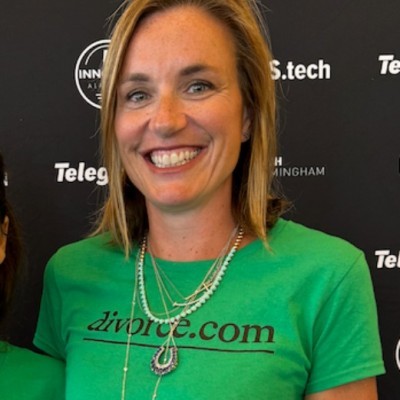
Written By:
Liz Pharo Sauls
Co-Founder and Co-Chief Executive Officer
Pasadena DIY Divorce
How to Divorce Without a Lawyer in Pasadena, CA: The Real DIY Guide
You're sitting in your apartment off South Lake or in one of those old Craftsman houses in Bungalow Heaven, and you're trying to figure out if you can actually afford to get divorced. You've already Googled "Pasadena divorce lawyer" and nearly had a heart attack at the hourly rates. Now you're wondering if you can just do this yourself.
Here's the truth: a lot of Pasadena divorces don't need lawyers. But "don't need" is different from "it's easy." California divorce paperwork is no joke. And just because you can file yourself doesn't mean you should if there's real money or kids involved.
This is the guide I wish someone had given me when I was trying to figure this out—what actually works, what'll screw you over, and when you need to just bite the bullet and hire someone.
Can You Actually Do This Yourself?
Yes. California lets you file for divorce without a lawyer. It's called "in pro per" or "pro se"—fancy Latin for "you're on your own."
The Pasadena Superior Court (which is technically the Los Angeles Superior Court, Pasadena Courthouse on North Hill Avenue) processes hundreds of DIY divorces. You're not the first person who looked at $5,000+ in legal fees and said "absolutely not."
But here's what nobody tells you upfront: DIY divorce only works if you and your spouse agree on basically everything. And I mean everything. Who gets the Prius. Who keeps the furniture. How you're splitting your Fidelity accounts. What happens to that condo you bought in Old Pasadena right before prices went insane.
If you're fighting about any of it, you probably need help.
When DIY Divorce Actually Makes Sense
You're a good candidate for doing this yourself if:
You both agree it's over. No one's trying to "work on it" or stalling because they're hoping you'll change your mind.
No kids under 18. Once custody and child support enter the picture, things get complicated fast. California has specific formulas and requirements. Mess up custody paperwork and you're back in court fixing it.
Your assets are simple. Maybe you rent. Maybe you own a house but you've already agreed on how to handle it. You don't have pensions, businesses, stock options, rental properties, or Bitcoin someone bought in 2013 that's now worth actual money.
You've been married less than five years. California has a streamlined summary dissolution process for short marriages with minimal assets.
Income is similar. If one of you makes $180k working at a tech company and the other makes $40k, spousal support comes into play. That's where things get messy.
Nobody's hiding anything. You both know what accounts exist, what's in them, roughly what things are worth. No secret credit cards or offshore accounts or "business expenses" that are actually personal spending.
You can communicate. You don't have to be friends. But you need to be able to have a conversation about paperwork without it turning into a screaming match.
If all of that's true, DIY might work. If even one or two things don't fit—especially the kids or the money parts—you're probably going to need help at some point.
The California Divorce Process (What You're Actually Filing)
Here's what you're dealing with:
1. Petition for Dissolution of Marriage (Form FL-100). This starts everything. One person (the Petitioner) files this with the court and pays the filing fee.
2. Summons (Form FL-110). This goes with the Petition and tells your spouse they're being served with divorce papers.
3. Response (Form FL-120). Your spouse files this within 30 days if they want to respond. If you agree on everything, they might not even need to file a Response.
4. Financial disclosures (Forms FL-140, FL-150, FL-142). California requires both spouses to exchange complete financial information. Every account, every debt, every asset. This is mandatory even if you agree on everything.
5. Settlement agreement or judgment. This is where you spell out who gets what, how you're dividing everything, whether there's spousal support.
6. Judgment of Dissolution (Form FL-180). The final court order that officially ends your marriage.
There's also a mandatory six-month waiting period from when your spouse is served until the divorce can be finalized. California makes you wait no matter how much you agree.
The Filing Fee Reality
Filing for divorce in Los Angeles County (which includes Pasadena) costs $435 as of 2025. That's just to file the initial Petition.
If you can't afford it, you can apply for a fee waiver (Form FW-001). You'll need to show your income and expenses. If you qualify, the court waives the filing fee and other court costs.
A lot of people think the filing fee is the only cost. It's not. If you need copies of documents, certified copies, or file additional motions, there are more fees.
The Actual Paperwork (It's a Lot)
The California Judicial Council website has all the forms for free. You can also get them from the Pasadena Courthouse Self-Help Center.
Here's what you're realistically filling out for an uncontested divorce with no kids:
FL-100 (Petition)
FL-110 (Summons)
FL-115 (Proof of Service)
FL-140 (Declaration of Disclosure)
FL-142 (Schedule of Assets and Debts)
FL-150 (Income and Expense Declaration)
FL-160 (Property Declaration) if you have property
FL-180 (Judgment)
FL-190 (Notice of Entry of Judgment)
If you have kids, add:
FL-341 (Child Custody and Visitation Attachment)
FL-342 (Child Support Information and Order Attachment)
Plus county-specific local forms
Each form has detailed instructions. The problem is they're written in legal language that assumes you know what "bifurcation" and "jurisdiction" mean. You don't just fill in blanks—you have to understand what you're actually filing.
Serving Your Spouse (Yes, This Is Required)
California law says you can't serve divorce papers yourself. Someone else over 18 who isn't you has to physically hand the papers to your spouse or mail them if they'll accept service.
Options:
A friend or family member. Free, but they have to fill out a proof of service form (FL-115) under penalty of perjury saying they served your spouse.
Professional process server. Costs $50-$150 in Pasadena. They know what they're doing and won't mess it up.
Sheriff's department. Usually around $40. Takes longer but it's official.
Your spouse has 30 days from being served to file a Response. If they don't respond and you've done everything right, you can ask for a default judgment.
The Financial Disclosure Trap
This is where DIY divorces fall apart.
California requires both spouses to complete full financial disclosure even in uncontested cases. You're listing every bank account, retirement account, credit card, car, piece of property, stock, everything. And you're doing it under penalty of perjury.
Miss an account? The court can set aside your entire divorce years later. Your ex finds out you "forgot" to list something? They can reopen the case and come after half of it.
The forms are tedious. FL-142 (Schedule of Assets and Debts) alone is like doing your taxes except worse because it's asking for the value of literally everything you own including your furniture and your 2015 Honda.
If you have any kind of complicated finances—retirement accounts with employer contributions, rental property, a small business, stock options—you probably need help making sure you're disclosing everything correctly and dividing it properly.
The Marital Settlement Agreement
This is the document where you spell out who gets what. If you're doing DIY divorce, you need this to be airtight.
A good settlement agreement covers:
Property division. Every asset, every debt. Who keeps what. How you're splitting accounts. What happens to the house.
Spousal support. If anyone's paying it, how much, how long, when it ends.
Name change. If someone's going back to their maiden name.
Debts. Who's responsible for which credit cards, car loans, student loans.
Retirement accounts. These require special court orders (QDROs) to split without tax penalties.
You can find templates online. The problem with templates is they might not cover your specific situation. California is a community property state—anything acquired during marriage gets split 50/50 unless you agree otherwise in writing. If your agreement has gaps, a judge might fill them in ways you don't like.
Summary Dissolution (The Shortcut)
If you've been married less than five years, California has a simplified process called summary dissolution.
You qualify if:
Married less than 5 years
No children together (and wife isn't pregnant)
No real property (houses or land)
Limited personal property (less than $45,000 excluding cars)
Limited community debts (less than $6,000)
Total community assets less than $45,000
Neither spouse has retirement benefits over $5,000
Both spouses sign giving up rights to spousal support
Both spouses agree on how to divide assets and debts
If you qualify, you file a Joint Petition (Form FL-800). It's simpler, faster, and cheaper. You can finalize it six months after filing.
Most Pasadena couples don't qualify because they've been married longer than five years or they own property. But if you do qualify, this is way easier than regular dissolution.
What Could Go Wrong (The Horror Stories)
You divide retirement accounts wrong. Community property rules for 401ks and pensions are specific. You need a Qualified Domestic Relations Order (QDRO). If you don't do this right, you're paying taxes and penalties when you shouldn't be.
You forget about tax implications. Selling the house, dividing accounts, spousal support—all of this affects your taxes. What seems fair might screw one of you come April.
You agree to something unfair because you don't know better. California is a community property state. You're entitled to half of everything earned during marriage. If you agree to less because you're just trying to get it over with, you're giving up potentially tens of thousands of dollars.
Your spouse lies on financial disclosure. You file everything honestly. They "forget" to mention an account. The divorce goes through. Two years later you find out. Now you're hiring a lawyer to reopen the case.
Custody arrangement is too vague. "Reasonable visitation" sounds fine until you're fighting about what "reasonable" means. You need specifics.
Nobody files the Judgment correctly. You do all the paperwork, but the judge never signs off because you missed a required form. Your divorce isn't actually final.
When to Give Up and Hire Someone
Be honest with yourself. If any of this sounds like your situation, you probably need help:
You're fighting about custody, support, or property division
There's a business, rental property, or complicated assets
You're not sure what accounts exist or what they're worth
Your spouse makes way more (or way less) than you
There's been domestic violence
Your spouse has a lawyer and you don't
You've tried to file paperwork and you're just completely lost
A lot of people start DIY, realize they're in over their head, and hire a lawyer three months in. That's fine. You can switch.
But here's the thing—if you get three months into this and your paperwork is screwed up, the lawyer has to fix it before they can move forward. That costs more than just hiring them from the start.
Using Divorce.com for Pasadena Divorces
If your divorce is truly uncontested but you don't want to figure out all the paperwork yourself, Divorce.com is basically a middle ground.
You pay a flat fee (way less than a lawyer). They walk you through the California forms with plain-English questions. They make sure everything is filled out correctly for Los Angeles County. They tell you where to file and how to serve your spouse.
It's like having someone who knows the process hold your hand through it without paying $400/hour for a lawyer.
This works great if you and your spouse agree on everything and you just need help with the paperwork logistics. It doesn't work if you're fighting about anything or if you need legal advice about what's fair.
The Self-Help Center at Pasadena Courthouse
The Pasadena Superior Court has a Self-Help Center on the fourth floor of the courthouse (300 East Walnut Street).
They can:
Give you forms
Explain how forms work
Review your paperwork to make sure it's filled out correctly
Tell you what you need to file
Help you figure out filing procedures
They cannot:
Give you legal advice
Tell you what to write on the forms
Tell you if you're getting a fair deal
Fill out forms for you
Recommend lawyers
They're not lawyers. They're court staff who know the process. They're incredibly helpful if you're doing DIY, but they can't tell you whether the settlement you and your spouse worked out is actually fair under California law.
The Six-Month Wait (Yes, Really)
California requires six months from the date your spouse is served until your divorce can be finalized.
It doesn't matter if you filed yesterday and you both agree on everything. You're waiting six months minimum.
You can file all your paperwork. You can have everything ready to go. The court won't issue the final Judgment until six months have passed.
Some people think this is California giving you time to reconcile. Maybe. More likely it's just bureaucracy.
What Happens After You File
You file your Petition and pay the fee. Your spouse gets served. They file a Response (or don't, if they're agreeing to everything).
You both complete financial disclosures and exchange them. You work out your settlement agreement. You file it with the court along with the Judgment.
If everything's right and you're past the six-month mark, the judge signs your Judgment. You get a filed copy. You're divorced.
In reality, there's usually at least one thing wrong with the paperwork. The court sends you a rejection notice saying you need to fix something. You fix it and refile. Maybe it gets rejected again. This is normal and extremely annoying.
Uncontested DIY divorces in Pasadena typically take 8-12 months from filing to final Judgment once you factor in the six-month waiting period and paperwork back-and-forth.
The Real Cost of DIY
If you use Divorce.com: $500-$800 for their service plus $435–$450 filing fee. Total around $1,000-$1,200.
If you truly do it yourself: $435–$450 filing fee plus maybe $100 for process server plus copy fees. Call it $600-$700 total.
If you mess it up and have to hire a lawyer to fix it: Add another $2,000-$5,000.
Compare that to hiring a Pasadena divorce lawyer from the start: $5,000-$15,000 for an uncontested divorce with decent assets.
DIY saves you a ton of money if you do it right. If you do it wrong, it might end up costing more.
What About Mediation?
Some Pasadena couples use a mediator even though they're filing themselves.
A mediator helps you work through disagreements about property division, support, custody. They don't represent either of you—they're neutral. They help you reach agreements.
Mediation costs $200-$400/hour in Pasadena. You split it. Usually takes 2-4 sessions for an uncontested divorce.
So you might pay $400-$1,600 total for mediation, then file the paperwork yourself or use Divorce.com. Still way cheaper than lawyers.
This works well if you mostly agree but need help with a few sticking points.
The Honest Reality Check
Most people who successfully DIY their divorce in Pasadena are:
Married less than 10 years
No kids
Rent or have already agreed on the house
Both working with similar incomes
Assets under $200k total
Actually able to have rational conversations
If that's you, DIY is totally doable.
If you've been married 20 years, you own a house in Pasadena that's worth $1.2 million now, you have kids, and one of you has a Tesla stock package—you need a lawyer. I'm sorry. I know it's expensive. But you're going to screw something up that'll cost you way more in the long run.
The Bottom Line
Can you divorce without a lawyer in Pasadena? Yes.
Should you? Depends.
If you and your spouse genuinely agree on everything and your situation is relatively simple, DIY or using a service like Divorce.com can save you thousands of dollars.
If there's any complexity—kids, houses, retirement accounts, big income differences—you're probably going to need help at some point. Maybe just a consultation to review your paperwork. Maybe full representation.
The Pasadena courthouse Self-Help Center is your friend. Use them. They've seen every possible way someone can mess up divorce paperwork, and they'll keep you from making the same mistakes.
Don't try to DIY just because you're afraid of lawyer costs. DIY because your situation actually fits it. Otherwise you're going to end up spending the money anyway, just later and with more stress.
Be honest about what you're actually dealing with. Then make the smart choice for your situation.
Disclaimer: This guide provides general information about DIY divorce in Pasadena, CA, California. It's not legal advice and doesn't create an attorney-client relationship. Laws change, and every situation is unique. Consult with a licensed California divorce attorney for advice about your specific circumstances.
Upfront pricing at a fraction of the cost of traditional divorce
Divorce doesn’t have to cost as much as a car.


We've helped with
over 1 million divorces
We provide everything you need to get divorced — from conflict resolution to filing support and access to divorce experts — in one comprehensive, convenient online platform.
The team at divorce.com was responsive and helpful during a difficult process. I would highly recommend the site for uncomplicated, amicable divorces!!
Jen B.
I came across this online. So I checked on it. It was easy and affordable. I wish I would have found this years ago.
Brandy D.
I was able to read it easily. Thanks God for this service. I will recommend it to anyone who asks this is a very easy step to do. I love it please try it you won't be disappointed
Dianna R.
Great customer service. Questions were easy to answer and had descriptions to understand the questions.
Andelain R.
Proudly featured in these publications
City Divorce Guides
City Divorce Guides
The better way to get divorced.
Answer a few questions to see your personalized divorce options in under 3 minutes.

How to Divorce Without a Lawyer in Pasadena, CA: The Real DIY Guide
You're sitting in your apartment off South Lake or in one of those old Craftsman houses in Bungalow Heaven, and you're trying to figure out if you can actually afford to get divorced. You've already Googled "Pasadena divorce lawyer" and nearly had a heart attack at the hourly rates. Now you're wondering if you can just do this yourself.
Here's the truth: a lot of Pasadena divorces don't need lawyers. But "don't need" is different from "it's easy." California divorce paperwork is no joke. And just because you can file yourself doesn't mean you should if there's real money or kids involved.
This is the guide I wish someone had given me when I was trying to figure this out—what actually works, what'll screw you over, and when you need to just bite the bullet and hire someone.
Can You Actually Do This Yourself?
Yes. California lets you file for divorce without a lawyer. It's called "in pro per" or "pro se"—fancy Latin for "you're on your own."
The Pasadena Superior Court (which is technically the Los Angeles Superior Court, Pasadena Courthouse on North Hill Avenue) processes hundreds of DIY divorces. You're not the first person who looked at $5,000+ in legal fees and said "absolutely not."
But here's what nobody tells you upfront: DIY divorce only works if you and your spouse agree on basically everything. And I mean everything. Who gets the Prius. Who keeps the furniture. How you're splitting your Fidelity accounts. What happens to that condo you bought in Old Pasadena right before prices went insane.
If you're fighting about any of it, you probably need help.
When DIY Divorce Actually Makes Sense
You're a good candidate for doing this yourself if:
You both agree it's over. No one's trying to "work on it" or stalling because they're hoping you'll change your mind.
No kids under 18. Once custody and child support enter the picture, things get complicated fast. California has specific formulas and requirements. Mess up custody paperwork and you're back in court fixing it.
Your assets are simple. Maybe you rent. Maybe you own a house but you've already agreed on how to handle it. You don't have pensions, businesses, stock options, rental properties, or Bitcoin someone bought in 2013 that's now worth actual money.
You've been married less than five years. California has a streamlined summary dissolution process for short marriages with minimal assets.
Income is similar. If one of you makes $180k working at a tech company and the other makes $40k, spousal support comes into play. That's where things get messy.
Nobody's hiding anything. You both know what accounts exist, what's in them, roughly what things are worth. No secret credit cards or offshore accounts or "business expenses" that are actually personal spending.
You can communicate. You don't have to be friends. But you need to be able to have a conversation about paperwork without it turning into a screaming match.
If all of that's true, DIY might work. If even one or two things don't fit—especially the kids or the money parts—you're probably going to need help at some point.
The California Divorce Process (What You're Actually Filing)
Here's what you're dealing with:
1. Petition for Dissolution of Marriage (Form FL-100). This starts everything. One person (the Petitioner) files this with the court and pays the filing fee.
2. Summons (Form FL-110). This goes with the Petition and tells your spouse they're being served with divorce papers.
3. Response (Form FL-120). Your spouse files this within 30 days if they want to respond. If you agree on everything, they might not even need to file a Response.
4. Financial disclosures (Forms FL-140, FL-150, FL-142). California requires both spouses to exchange complete financial information. Every account, every debt, every asset. This is mandatory even if you agree on everything.
5. Settlement agreement or judgment. This is where you spell out who gets what, how you're dividing everything, whether there's spousal support.
6. Judgment of Dissolution (Form FL-180). The final court order that officially ends your marriage.
There's also a mandatory six-month waiting period from when your spouse is served until the divorce can be finalized. California makes you wait no matter how much you agree.
The Filing Fee Reality
Filing for divorce in Los Angeles County (which includes Pasadena) costs $435 as of 2025. That's just to file the initial Petition.
If you can't afford it, you can apply for a fee waiver (Form FW-001). You'll need to show your income and expenses. If you qualify, the court waives the filing fee and other court costs.
A lot of people think the filing fee is the only cost. It's not. If you need copies of documents, certified copies, or file additional motions, there are more fees.
The Actual Paperwork (It's a Lot)
The California Judicial Council website has all the forms for free. You can also get them from the Pasadena Courthouse Self-Help Center.
Here's what you're realistically filling out for an uncontested divorce with no kids:
FL-100 (Petition)
FL-110 (Summons)
FL-115 (Proof of Service)
FL-140 (Declaration of Disclosure)
FL-142 (Schedule of Assets and Debts)
FL-150 (Income and Expense Declaration)
FL-160 (Property Declaration) if you have property
FL-180 (Judgment)
FL-190 (Notice of Entry of Judgment)
If you have kids, add:
FL-341 (Child Custody and Visitation Attachment)
FL-342 (Child Support Information and Order Attachment)
Plus county-specific local forms
Each form has detailed instructions. The problem is they're written in legal language that assumes you know what "bifurcation" and "jurisdiction" mean. You don't just fill in blanks—you have to understand what you're actually filing.
Serving Your Spouse (Yes, This Is Required)
California law says you can't serve divorce papers yourself. Someone else over 18 who isn't you has to physically hand the papers to your spouse or mail them if they'll accept service.
Options:
A friend or family member. Free, but they have to fill out a proof of service form (FL-115) under penalty of perjury saying they served your spouse.
Professional process server. Costs $50-$150 in Pasadena. They know what they're doing and won't mess it up.
Sheriff's department. Usually around $40. Takes longer but it's official.
Your spouse has 30 days from being served to file a Response. If they don't respond and you've done everything right, you can ask for a default judgment.
The Financial Disclosure Trap
This is where DIY divorces fall apart.
California requires both spouses to complete full financial disclosure even in uncontested cases. You're listing every bank account, retirement account, credit card, car, piece of property, stock, everything. And you're doing it under penalty of perjury.
Miss an account? The court can set aside your entire divorce years later. Your ex finds out you "forgot" to list something? They can reopen the case and come after half of it.
The forms are tedious. FL-142 (Schedule of Assets and Debts) alone is like doing your taxes except worse because it's asking for the value of literally everything you own including your furniture and your 2015 Honda.
If you have any kind of complicated finances—retirement accounts with employer contributions, rental property, a small business, stock options—you probably need help making sure you're disclosing everything correctly and dividing it properly.
The Marital Settlement Agreement
This is the document where you spell out who gets what. If you're doing DIY divorce, you need this to be airtight.
A good settlement agreement covers:
Property division. Every asset, every debt. Who keeps what. How you're splitting accounts. What happens to the house.
Spousal support. If anyone's paying it, how much, how long, when it ends.
Name change. If someone's going back to their maiden name.
Debts. Who's responsible for which credit cards, car loans, student loans.
Retirement accounts. These require special court orders (QDROs) to split without tax penalties.
You can find templates online. The problem with templates is they might not cover your specific situation. California is a community property state—anything acquired during marriage gets split 50/50 unless you agree otherwise in writing. If your agreement has gaps, a judge might fill them in ways you don't like.
Summary Dissolution (The Shortcut)
If you've been married less than five years, California has a simplified process called summary dissolution.
You qualify if:
Married less than 5 years
No children together (and wife isn't pregnant)
No real property (houses or land)
Limited personal property (less than $45,000 excluding cars)
Limited community debts (less than $6,000)
Total community assets less than $45,000
Neither spouse has retirement benefits over $5,000
Both spouses sign giving up rights to spousal support
Both spouses agree on how to divide assets and debts
If you qualify, you file a Joint Petition (Form FL-800). It's simpler, faster, and cheaper. You can finalize it six months after filing.
Most Pasadena couples don't qualify because they've been married longer than five years or they own property. But if you do qualify, this is way easier than regular dissolution.
What Could Go Wrong (The Horror Stories)
You divide retirement accounts wrong. Community property rules for 401ks and pensions are specific. You need a Qualified Domestic Relations Order (QDRO). If you don't do this right, you're paying taxes and penalties when you shouldn't be.
You forget about tax implications. Selling the house, dividing accounts, spousal support—all of this affects your taxes. What seems fair might screw one of you come April.
You agree to something unfair because you don't know better. California is a community property state. You're entitled to half of everything earned during marriage. If you agree to less because you're just trying to get it over with, you're giving up potentially tens of thousands of dollars.
Your spouse lies on financial disclosure. You file everything honestly. They "forget" to mention an account. The divorce goes through. Two years later you find out. Now you're hiring a lawyer to reopen the case.
Custody arrangement is too vague. "Reasonable visitation" sounds fine until you're fighting about what "reasonable" means. You need specifics.
Nobody files the Judgment correctly. You do all the paperwork, but the judge never signs off because you missed a required form. Your divorce isn't actually final.
When to Give Up and Hire Someone
Be honest with yourself. If any of this sounds like your situation, you probably need help:
You're fighting about custody, support, or property division
There's a business, rental property, or complicated assets
You're not sure what accounts exist or what they're worth
Your spouse makes way more (or way less) than you
There's been domestic violence
Your spouse has a lawyer and you don't
You've tried to file paperwork and you're just completely lost
A lot of people start DIY, realize they're in over their head, and hire a lawyer three months in. That's fine. You can switch.
But here's the thing—if you get three months into this and your paperwork is screwed up, the lawyer has to fix it before they can move forward. That costs more than just hiring them from the start.
Using Divorce.com for Pasadena Divorces
If your divorce is truly uncontested but you don't want to figure out all the paperwork yourself, Divorce.com is basically a middle ground.
You pay a flat fee (way less than a lawyer). They walk you through the California forms with plain-English questions. They make sure everything is filled out correctly for Los Angeles County. They tell you where to file and how to serve your spouse.
It's like having someone who knows the process hold your hand through it without paying $400/hour for a lawyer.
This works great if you and your spouse agree on everything and you just need help with the paperwork logistics. It doesn't work if you're fighting about anything or if you need legal advice about what's fair.
The Self-Help Center at Pasadena Courthouse
The Pasadena Superior Court has a Self-Help Center on the fourth floor of the courthouse (300 East Walnut Street).
They can:
Give you forms
Explain how forms work
Review your paperwork to make sure it's filled out correctly
Tell you what you need to file
Help you figure out filing procedures
They cannot:
Give you legal advice
Tell you what to write on the forms
Tell you if you're getting a fair deal
Fill out forms for you
Recommend lawyers
They're not lawyers. They're court staff who know the process. They're incredibly helpful if you're doing DIY, but they can't tell you whether the settlement you and your spouse worked out is actually fair under California law.
The Six-Month Wait (Yes, Really)
California requires six months from the date your spouse is served until your divorce can be finalized.
It doesn't matter if you filed yesterday and you both agree on everything. You're waiting six months minimum.
You can file all your paperwork. You can have everything ready to go. The court won't issue the final Judgment until six months have passed.
Some people think this is California giving you time to reconcile. Maybe. More likely it's just bureaucracy.
What Happens After You File
You file your Petition and pay the fee. Your spouse gets served. They file a Response (or don't, if they're agreeing to everything).
You both complete financial disclosures and exchange them. You work out your settlement agreement. You file it with the court along with the Judgment.
If everything's right and you're past the six-month mark, the judge signs your Judgment. You get a filed copy. You're divorced.
In reality, there's usually at least one thing wrong with the paperwork. The court sends you a rejection notice saying you need to fix something. You fix it and refile. Maybe it gets rejected again. This is normal and extremely annoying.
Uncontested DIY divorces in Pasadena typically take 8-12 months from filing to final Judgment once you factor in the six-month waiting period and paperwork back-and-forth.
The Real Cost of DIY
If you use Divorce.com: $500-$800 for their service plus $435–$450 filing fee. Total around $1,000-$1,200.
If you truly do it yourself: $435–$450 filing fee plus maybe $100 for process server plus copy fees. Call it $600-$700 total.
If you mess it up and have to hire a lawyer to fix it: Add another $2,000-$5,000.
Compare that to hiring a Pasadena divorce lawyer from the start: $5,000-$15,000 for an uncontested divorce with decent assets.
DIY saves you a ton of money if you do it right. If you do it wrong, it might end up costing more.
What About Mediation?
Some Pasadena couples use a mediator even though they're filing themselves.
A mediator helps you work through disagreements about property division, support, custody. They don't represent either of you—they're neutral. They help you reach agreements.
Mediation costs $200-$400/hour in Pasadena. You split it. Usually takes 2-4 sessions for an uncontested divorce.
So you might pay $400-$1,600 total for mediation, then file the paperwork yourself or use Divorce.com. Still way cheaper than lawyers.
This works well if you mostly agree but need help with a few sticking points.
The Honest Reality Check
Most people who successfully DIY their divorce in Pasadena are:
Married less than 10 years
No kids
Rent or have already agreed on the house
Both working with similar incomes
Assets under $200k total
Actually able to have rational conversations
If that's you, DIY is totally doable.
If you've been married 20 years, you own a house in Pasadena that's worth $1.2 million now, you have kids, and one of you has a Tesla stock package—you need a lawyer. I'm sorry. I know it's expensive. But you're going to screw something up that'll cost you way more in the long run.
The Bottom Line
Can you divorce without a lawyer in Pasadena? Yes.
Should you? Depends.
If you and your spouse genuinely agree on everything and your situation is relatively simple, DIY or using a service like Divorce.com can save you thousands of dollars.
If there's any complexity—kids, houses, retirement accounts, big income differences—you're probably going to need help at some point. Maybe just a consultation to review your paperwork. Maybe full representation.
The Pasadena courthouse Self-Help Center is your friend. Use them. They've seen every possible way someone can mess up divorce paperwork, and they'll keep you from making the same mistakes.
Don't try to DIY just because you're afraid of lawyer costs. DIY because your situation actually fits it. Otherwise you're going to end up spending the money anyway, just later and with more stress.
Be honest about what you're actually dealing with. Then make the smart choice for your situation.
Disclaimer: This guide provides general information about DIY divorce in Pasadena, CA, California. It's not legal advice and doesn't create an attorney-client relationship. Laws change, and every situation is unique. Consult with a licensed California divorce attorney for advice about your specific circumstances.
Upfront pricing at a fraction of the cost of traditional divorce
Divorce doesn’t have to cost as much as a car.
City Divorce Guides
We've helped with
over 1 million divorces
We provide everything you need to get divorced — from conflict resolution to filing support and access to divorce experts — in one comprehensive, convenient online platform.
The team at divorce.com was responsive and helpful during a difficult process. I would highly recommend the site for uncomplicated, amicable divorces!!
Jen B.
I came across this online. So I checked on it. It was easy and affordable. I wish I would have found this years ago.
Brandy D.
I was able to read it easily. Thanks God for this service. I will recommend it to anyone who asks this is a very easy step to do. I love it please try it you won't be disappointed
Dianna R.
Great customer service. Questions were easy to answer and had descriptions to understand the questions.
Andelain R.
Proudly featured in these publications